
Our artists
Zur schnellen Selektion (erster Buchstabe des Vornamens):

Ada Zachi is a visual artist who graduated from the National University of Arts in Bucharest and further honed her skills at the Accademia di Belle Arti di Brera in Milan. Her kaleidoscopic career is as vibrant and diverse as her artworks, which have been shown in galleries from her hometown in Romania to the cultural centres of Italy. She has been a member of the Association of Plastic Artists of Bucharest since 2005 and has presented her vision through numerous group exhibitions in venues such as the National Geology Museum, the Palace of the National Military Circle, the World Trade Centre Bucharest and the Friedrich Schiller Cultural House.
Her recent works have been part of the "ART 4 ALL Winter Saloon - 3rd Edition", "Abstracts" at the Barbagelata Contemporary Art Foundation and insightful installations at the Romanian Academy Library and the National Museum of the Romanian Peasant. Each exhibition marks her deep exploration of themes ranging from the philosophical to the fantastical. Her solo exhibition "Yin-trospection" at the Metropolitan Library of Bucharest was a meditative introspection through art, inviting viewers to explore the depths of inner space. This exhibition reflected her personal journey and her understanding of art as a bridge to the soul. Zachi's talents extend beyond the canvas as she also lends her artistic flair to literary works. She has illustrated for the 2022 FGCR calendar, the Purple Moon Women Agenda and campaign materials for the Princess Margareta of Romania Foundation. Her illustrations for the December issue of "Time Chronical" magazine show her versatility and ability to capture stories visually. Her artistic contributions have been recognised in publications such as ANTIDOT ART magazine, which celebrates her as a creator of "multiple diamond-like sparks". Ada Zachi is a dynamic and passionate artist who communicates complex emotions and ideas through a rich tapestry of colour and form.
Her work is not only seen, but experienced and leaves a lasting impression on the audience. With a background as colourful as her art, Ada stands out as a beacon of creativity and is a testament to the transformative power of artistic expression. An artist of multifaceted talent, Zachi takes viewers on a journey through a spectrum of emotions and experiences. Her oeuvre encompasses the contemplative abstraction of the human figure, the precise elegance of architectural drawings, the rich texture of still lifes, the whimsical appeal of surreal landscapes, the expressive freedom of floral compositions, the visceral impact of powerful abstractions, the cultural vibrancy of communal scenes and the harmonious melodies in musical still lifes. Ada Zachi captures the essence of diverse realities.
Her art is a testament to a deep engagement with the world, manifested in a variety of mediums and styles, each piece an invitation to pause and reflect on the interconnectedness of our experiences. Zachi's work demonstrates a deep commitment to a wide range of themes, from the tangible to the ethereal, from the personal to the universal.

Alexis Oyola

Barbara D'Angelo Månsson is an Italian-Swedish artist whose works are far more than just visual experiences - they are a feast for the senses. Through her art, Barbara brings the world of modern abstraction to life. Her journey began in Italy, where she initially found inspiration working with charcoal, ink and chalk. But it was the painterly Nordic landscapes of Sweden that ignited her passion for the play of brushes in abstract painting. Her artistic development, which deepened during her stay in the USA, bears witness to her fascination with abstract expressionism and pop art, particularly influenced by the pioneering techniques of Jackson Pollock and the monochrome themes of Mark Rothko. Barbara transformed these formative experiences into vivid canvases that capture her impressions of life far from home.
After her return to Sweden, D'Angelo Månsson's spirit of discovery never waned. Inspired by contemporary masters such as George Rowlett and J. Gallagher, she skilfully integrated the impasto technique into her acrylic works, creating layers of texture that almost invite you to touch them. Her diverse portfolio, a mixture of abstract paintings, drawings, photographs and sculptures, highlights her multi-faceted talent. Favouring acrylic, she enriches her art with techniques such as impasto and the incorporation of natural elements such as sand to create complex textures and layers. In D'Angelo Månsson's creations, unconventional combinations of shapes, textures and themes come together. She aims to connect emotional sensations with the outside world and invite viewers to reflect on our relationship with ourselves, the environment and society. D'Angelo Månsson's art is characterised by vibrant colours, dynamic brushstrokes, the integration of spontaneous marks and an abstract composition. A palpable tension between control and chance, deliberation and spontaneity characterises her style. The gestural nature of D'Angelo Månsson's paintings is spontaneous and uninhibited. Her bold brushstrokes and the mixture of figurative and abstract elements convey a sense of immediacy. The intense colours and sometimes dark tones are reminiscent of the works of abstract expressionists such as Willem de Kooning, whose palette and style often carry a deeper emotional meaning.
Barbara has exhibited her work at numerous art exhibitions and fairs in Europe (Stockholm, Ponte de Lima, Barcelona, Rome, London, Miami, Milan, Madrid, etc.). Her artworks have been featured in international art magazines and interviews, and she has also been recognised in private collections. Barbara D'Angelo Månsson has a remarkable ability to convey her innermost feelings through the universal language of colour and form. Her distinctive style is a unique fusion of her Italian heritage, the influences of her time in North America and the artistic imprint of her Swedish experiences, giving her works an extraordinary individuality.
Eine Werksauswahl


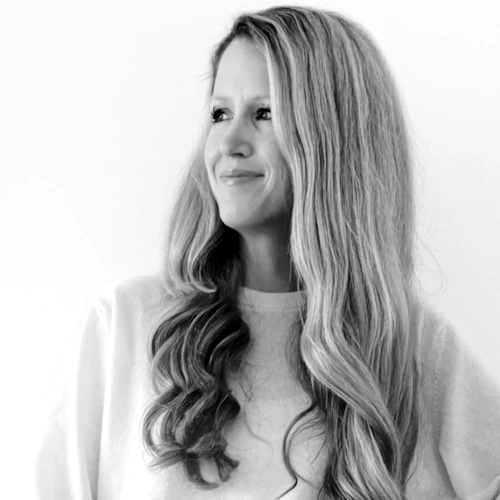
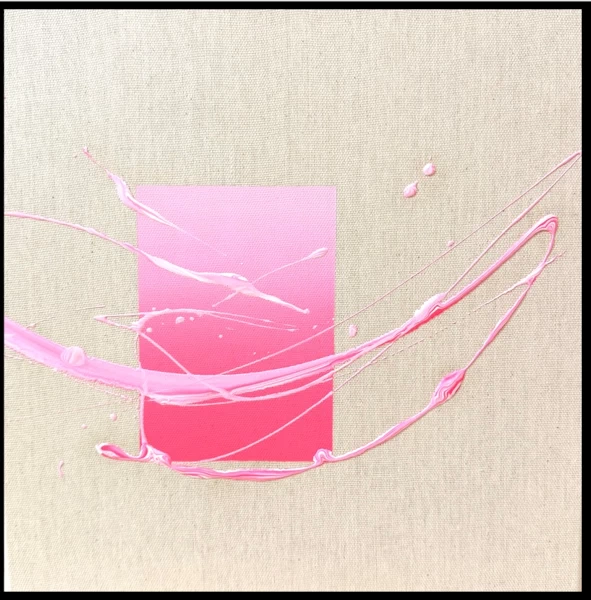
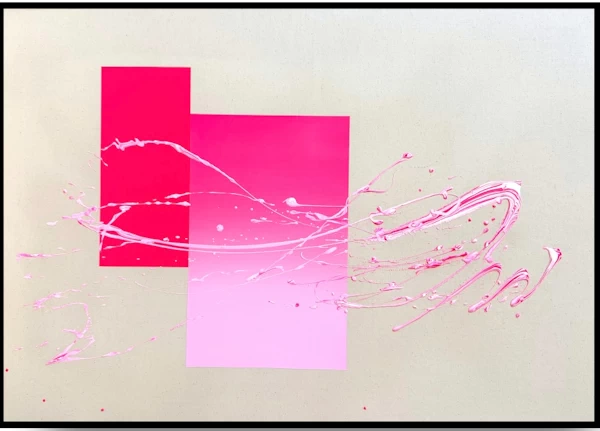
Darja Blisse ist eine zeitgenössische abstrakte Künstlerin, deren Werk die Beziehung zwischen Bewegung, Balance und räumlicher Wahrnehmung erforscht. Mit einer raffinierten Bildsprache aus minimalistischer Geometrie, fließenden Gesten und subtilen Farbübergängen schafft sie Gemälde, die zeitgenössische Innenräume in Orte der Ruhe, Klarheit und stillen Energie verwandeln.
Ihre künstlerische Praxis ist durch das Zusammenspiel von Präzision und Spontaneität geprägt. Geometrische Formen verleihen den Kompositionen Struktur und Stabilität, während ausdrucksstarke, schwungvolle Gesten Rhythmus, Bewegung und emotionale Intensität einbringen. Diese scheinbaren Gegensätze stehen nicht im Widerspruch zueinander, sondern verschmelzen zu sorgfältig ausbalancierten Bildwelten, die gleichermaßen Gelassenheit wie Dynamik ausstrahlen.
Im Zentrum ihres Schaffens steht die Überzeugung, dass abstrakte Kunst Atmosphäre ebenso nachhaltig gestalten kann wie Architektur. Ihre Gemälde versteht sie nicht nur als autonome Kunstwerke, sondern zugleich als räumliche Erfahrungen, die mit Licht, Proportion und ihrer Umgebung in Beziehung treten. Sie schaffen einen Dialog zwischen Kunstwerk, Architektur und Betrachtenden, bereichern zeitgenössische Räume und bewahren dabei stets ihre eigenständige künstlerische Identität.
Blisses Kompositionen bewegen sich mühelos zwischen zeitgenössischer Abstraktion, Minimalismus und gestischer Malerei. Organische Linien durchziehen strukturierte geometrische Flächen und vermitteln Bewegung, Transformation sowie das fortwährende Wechselspiel zwischen Intuition und Kontrolle. Anstatt eindeutige Erzählungen vorzugeben, laden ihre Werke zur kontemplativen Betrachtung ein und eröffnen Raum für individuelle Assoziationen sowie emotionale Resonanz, die sich durch Farbe, Textur und Raum entfalten.
Jedes Gemälde ist ein einzigartiges Original, das die Balance zwischen Reduktion und Ausdruck verkörpert. Subtile Tonwertabstufungen, sorgfältig komponierte Bildstrukturen und selbstbewusst gesetzte gestische Spuren schaffen Werke, die bei längerer Betrachtung immer neue Nuancen offenbaren. In einer eleganten Synthese aus Farbe, Bewegung und Form entstehen zeitgenössische abstrakte Arbeiten, die weit mehr leisten, als einen Raum zu ergänzen: Sie definieren ihn neu und verwandeln Innenräume in Orte der Reflexion, der Präsenz, der ästhetischen Harmonie und einer nachhaltigen emotionalen Resonanz.
Eine Werksauswahl
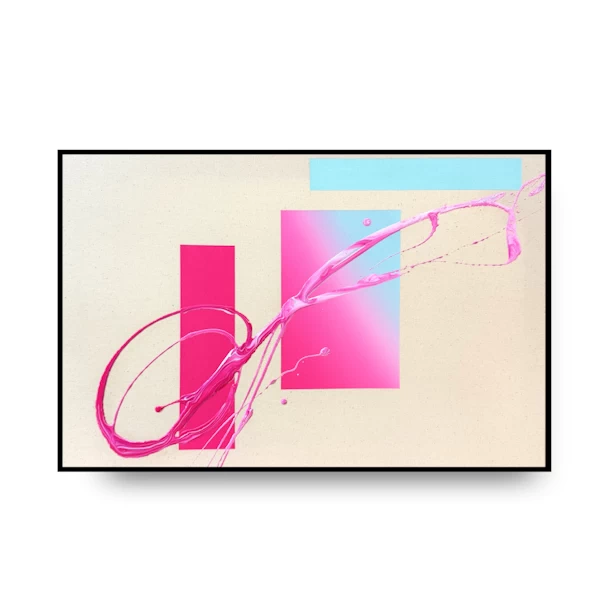
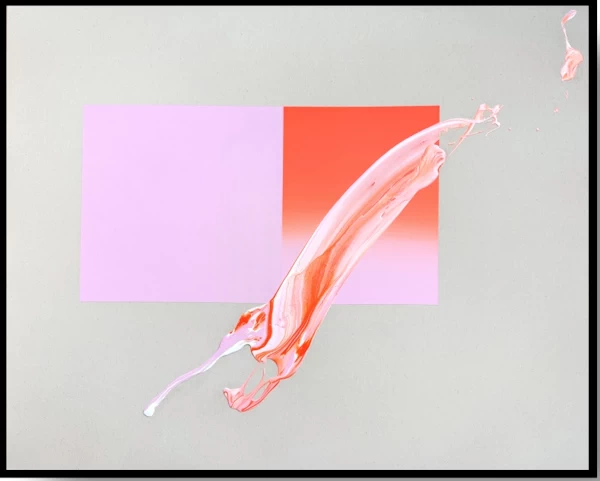
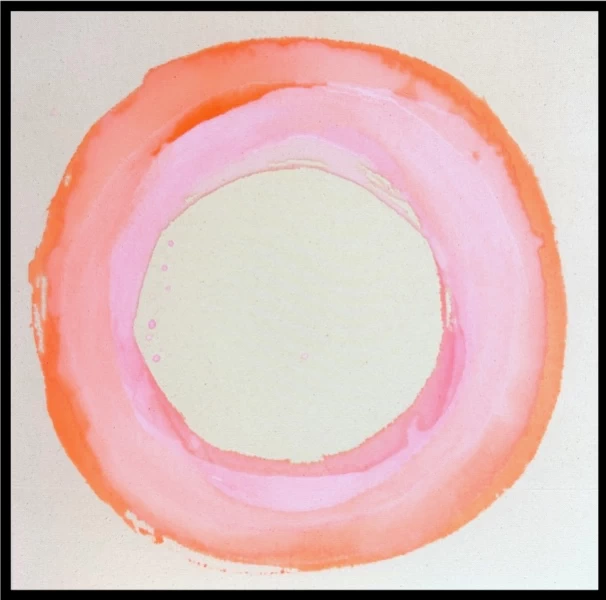

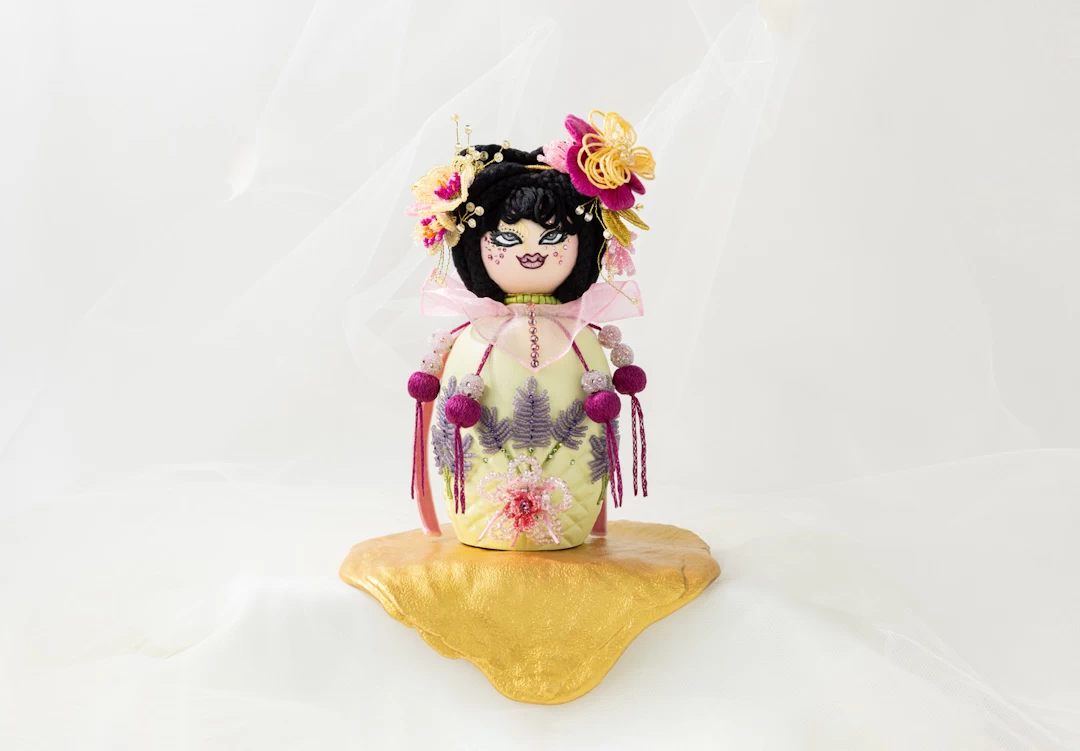
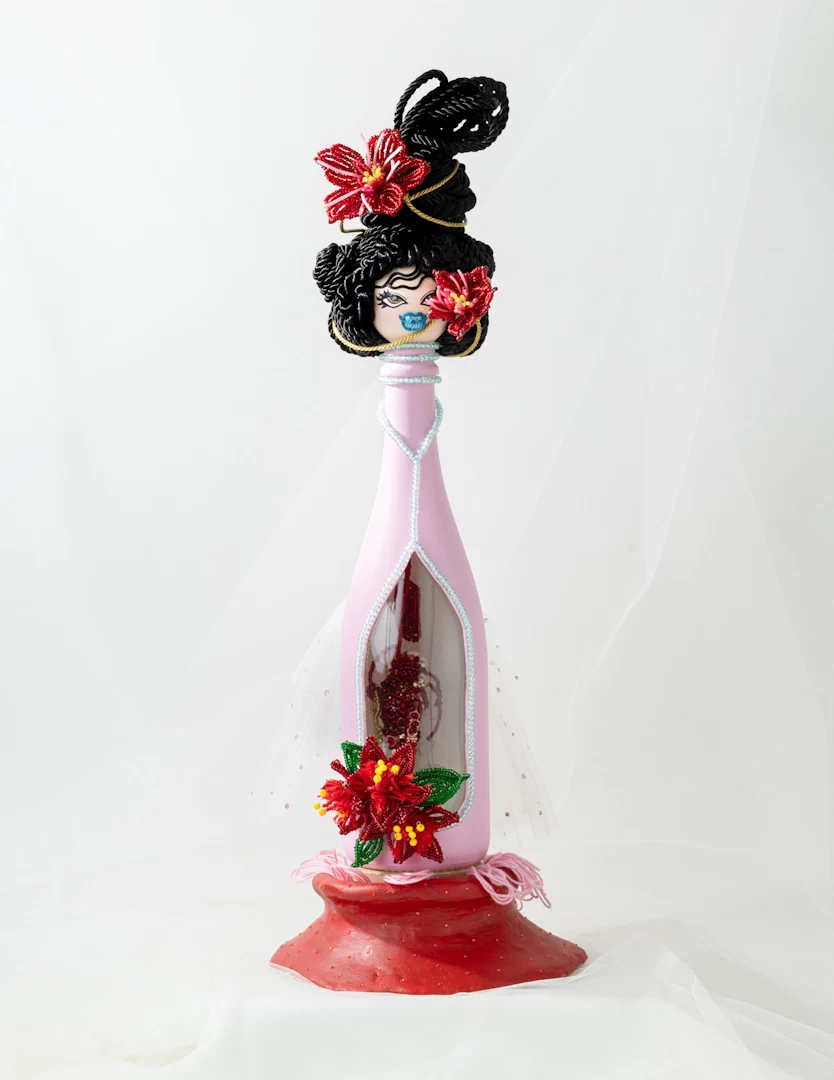
Dianne Lane Co Tvärne ist eine multidisziplinäre Künstlerin, deren Werk Welten, Materialien und Emotionen miteinander verknüpft. Auf den Philippinen geboren und heute in Schweden zuhause, hat sie eine künstlerische Sprache entwickelt, die Skulptur, Textilkunst und Malerei zu einer unverwechselbaren Ausdrucksform verschmilzt. Im Zentrum ihres Schaffens stehen die Bokeshi Dolls, kunstvoll gefertigte Figuren, deren Körper aus Glasflaschen bestehen und die durch Stickereien, Perlenarbeiten, österreichische Kristalle und malerische Details eine außergewöhnliche Präsenz erhalten.
Ihre kreative Reise begann bereits in ihrer Kindheit, geprägt durch unzählige Nachmittage, die sie mit ihrer Großmutter verbrachte. Farben, Fäden, Perlen und Stoffe waren ihre vertrauten Begleiter, Materialien, die ein Gefühl von Geborgenheit schufen und zugleich den Grundstein ihrer künstlerischen Stimme legten. Für Dianne ist Kunst bis heute das, was sie damals war: ein Zufluchtsort. Ein Raum, in dem Emotionen sortiert, Trost gesucht und Freude gefeiert werden dürfen. Jede Figur, jede Komposition trägt Spuren dieser inneren Bewegung.
Intuition wurde ihr wichtigstes Werkzeug. Ein einziger Farbton, die Kurve einer ausgedienten Flasche oder der Glanz einer Perle genügten, um eine neue Geschichte zu eröffnen. Sie beschreibt diesen Moment des inneren Aufleuchtens als eine stille Magie, unmittelbar, sensibel und unmissverständlich.
Diannes künstlerische Praxis umfasst Skulptur, Mixed Media und Acrylmalerei. Jede Bokeshi Doll entsteht in einem Prozess von fünf bis zehn Wochen, ohne Formen, ohne Wiederholungen. Jede Figur ist ein Unikat, aufgebaut aus Glas, lufttrocknendem Ton, Stickereien, Perlenarbeiten, Textilien und präzise gesetzten Farbakzenten. Ihre Arbeitsweise erinnert an Couture-Handwerk ebenso wie an plastisches Gestalten. Nachhaltigkeit spielt dabei eine subtile, aber bedeutsame Rolle: Viele Werke beginnen als gebrauchte Glasflaschen, die sie in kunstvolle Charaktere verwandelt.
Ihre Figuren strahlen Wärme, Fantasie und emotionale Sensibilität aus. Sie verkörpern jene Eigenschaften, die ihr nahestehende Menschen ihr zuschreiben, Herzlichkeit, Achtsamkeit, Vorstellungskraft und eine liebevolle Genauigkeit. Jede Puppe trägt ihre eigene Stimmung, ihren eigenen Ausdruck; sie erzählen von Persönlichkeit, Feinheit und leiser Stärke. Ihre detailreichen Oberflächen belohnen jede Annäherung, offenbaren Stickmuster, Farbspiele und symbolische Verzierungen.
Ihre Kunst bewegt sich zwischen Skulptur, Tradition und zeitgenössischer Formensprache, persönlicher Erinnerung und universeller Emotion.
Heute erweitert Dianne ihre interdisziplinäre Praxis stetig weiter, getragen von Intuition, Erinnerung und der Verwandlungskraft alltäglicher Materialien. Ihre Werke sind intime Welten, klein im Format, doch groß in Imagination. Sie laden dazu ein, in eine Sphäre einzutreten, in der Farbe, Textur und Gefühl zu still leuchtenden Geschichten verschmelzen.
Eine Werksauswahl



Harri Grimm is a German visual artist and lives near Stuttgart. He studied at the renowned Freie Kunstschule Stuttgart, where he honed his existing skills from 1984 to 1988. With a deep understanding of fine art, he has been focussing on expressive figurative oil painting for several years. Grimm's artistic style is a fascinating blend of realism, impressionism and abstraction. His paintings capture the human figure in all its emotional depth and inner conflict through expressive forms, vivid colour palettes and unique textures. Through expressive facial features and gestures, Grimm places great emphasis on emotion, revealing the inner thoughts and feelings of his subjects.
The vivid colours of his works create an intense emotional impact and capture the mood and atmosphere of his subjects. His powerful, visible brushstrokes give the paintings dynamic movement and depth, emphasising the human forms. This combination of realism and abstraction allows Grimm to create a balance between detailed accuracy and surreal dreamscapes. This effect is enhanced by dynamic textures and visible brushstrokes that make the artworks appear more detailed and realistic from a distance, while conveying a more abstract effect up close. Precise realistic elements are combined with surreal, often abstract backgrounds, creating a unique tension and emphasising the figures in an unusual context. Impressionistic influences are sometimes evident, where light and colour are used to capture the mood of a scene. Soft edges and blurred details enhance this effect. Some paintings also contain mythical or symbolic elements that add a deeper level of meaning and create a surreal, sometimes spiritual atmosphere. His compositions deliberately direct the viewer's gaze and create a narrative or emotional story through gestures, lines and the placement of elements. His works explore the human psyche and emotions in a way that conveys a variety of feelings, from joy and wonder to despair and melancholy.
Grimm's contemporary figurative art therefore evokes a strong emotional resonance. Sometimes cool blue and white tones create a calm but other-worldly atmosphere. The figure appears to be caught in a dreamlike state and offers a unique perspective on reality. The ethereal mood conveys deep contemplation. At other times, the colour palette shifts to warm reds and pinks, contrasted with cooler greens and blues. The focus on the face and eyes suggests introspection and deep thought, giving the painting a melancholic but vibrant mood. In some cases, cool tones dominate with vivid accents, and the close-up of the face surrounded by abstract elements conveys deep reflection and creates a contemplative and dreamy atmosphere. A different story is told in a painting of a stylised figure, almost mythological in form, with strong blues and purples enhancing the otherworldly appearance. A winged figure reinforces the sense of fantasy and creates an ethereal mood that speaks of flight and transcendence. Harri Grimm's art succeeds in immersing the viewer in the emotional experiences of human existence. Through powerful colours, dynamic brushstrokes and captivating compositions, his works lend an unmistakable voice to the modern art scene.
Eine Werksauswahl


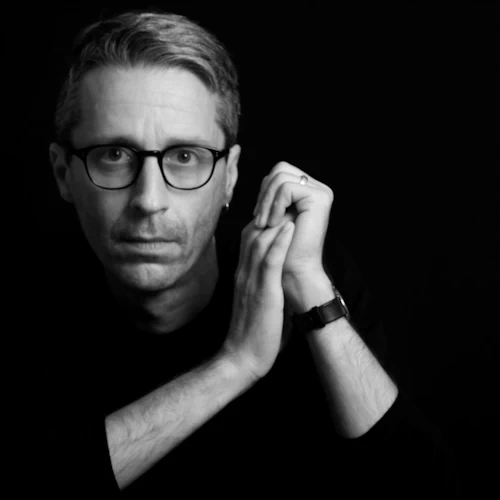
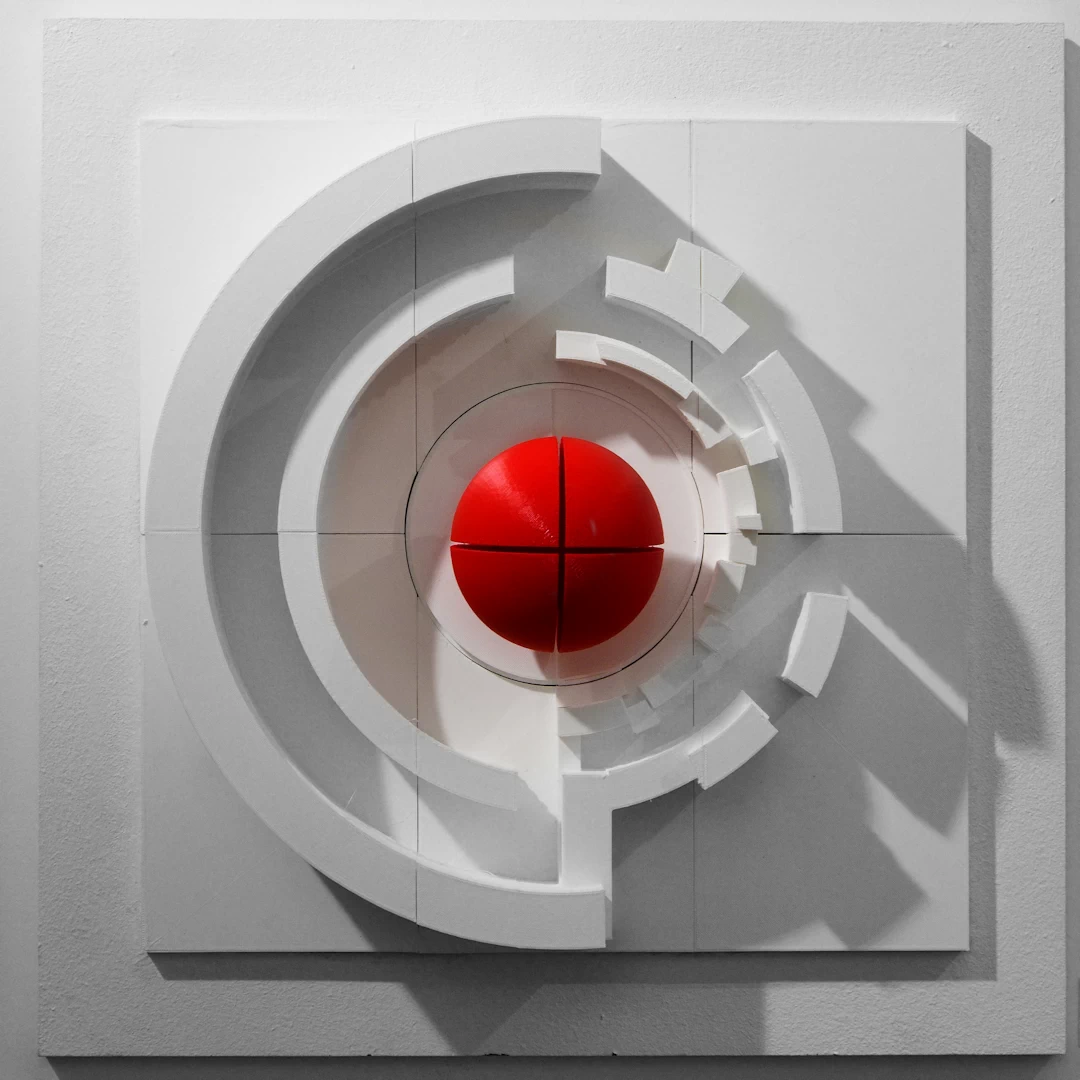
Ivo Meier ist ein Schweizer zeitgenössischer Künstler, dessen Werk die innere Architektur menschlicher Erfahrung durch digitale und physische Skulptur erforscht. Seine Arbeiten schaffen Räume der Interaktion, Wahrnehmung und Reflexion und laden zu einem Dialog zwischen innerer und äußerer Welt ein.
Seine ersten künstlerischen Ausdrucksformen entstanden in der figurativen Zeichnung – als Versuch, die fragile Struktur innerer Erfahrung visuell zu erfassen.
In den darauffolgenden Jahren experimentierte Meier mit unterschiedlichen Materialien wie Fotografie, Gips, Bronze und Beton, wobei der Mensch stets im Zentrum seiner Arbeit blieb. Reisen durch europäische Städte sowie die Auseinandersetzung mit den Werken von Auguste Rodin und Camille Claudel prägten sein Verständnis von Form, Spannung und Präsenz nachhaltig. Jedes Medium eröffnete neue Perspektiven und trug zur Entwicklung seiner künstlerischen Sprache bei.
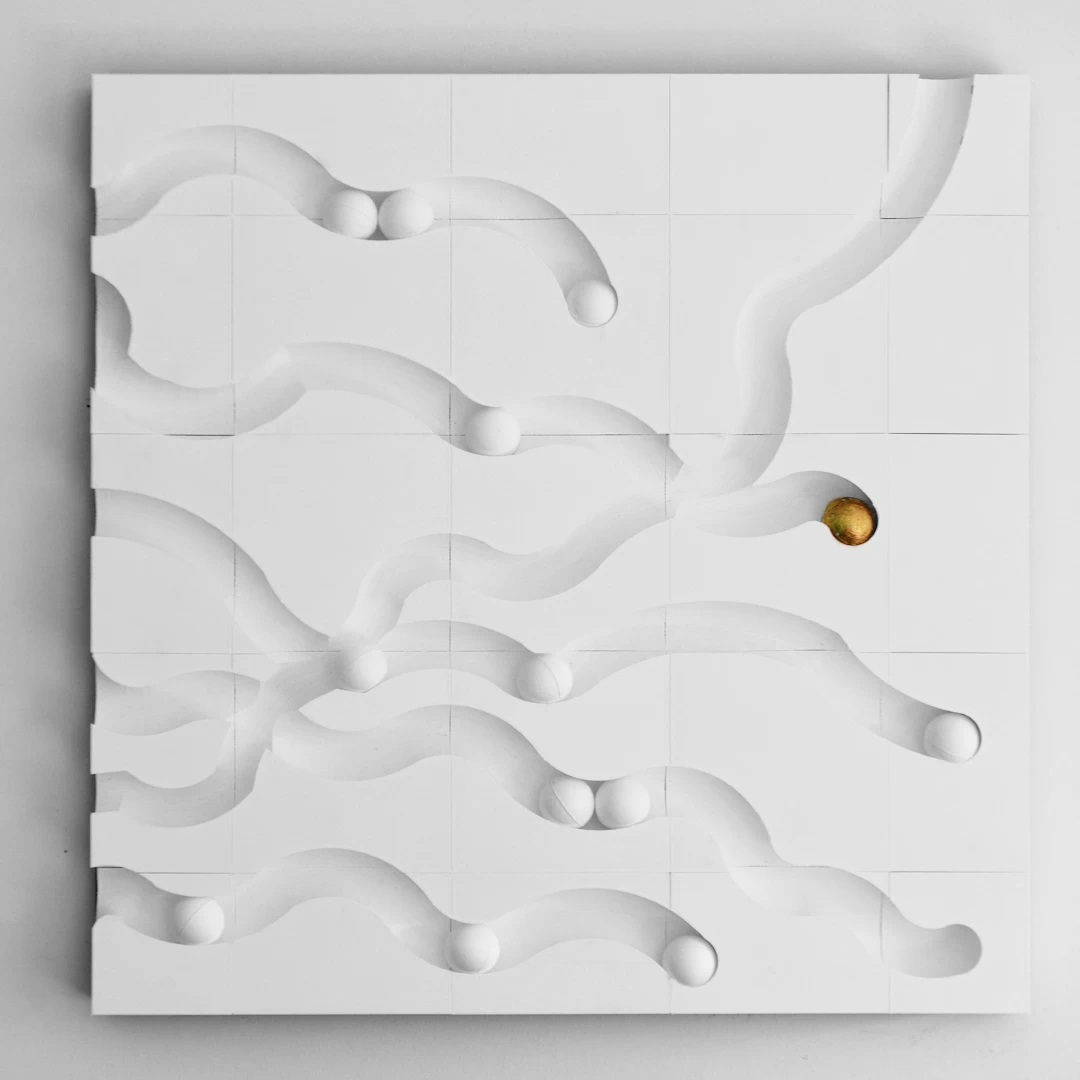
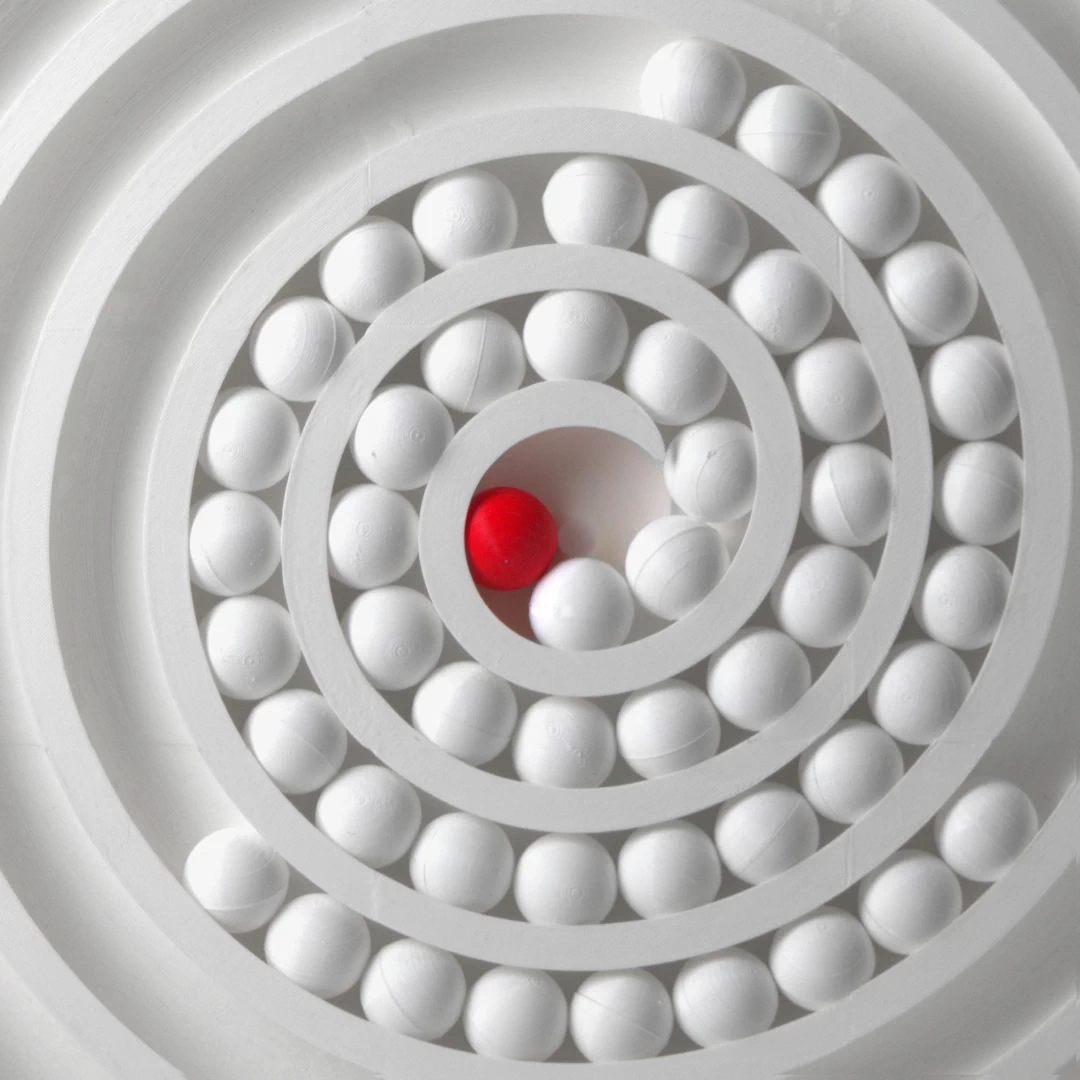
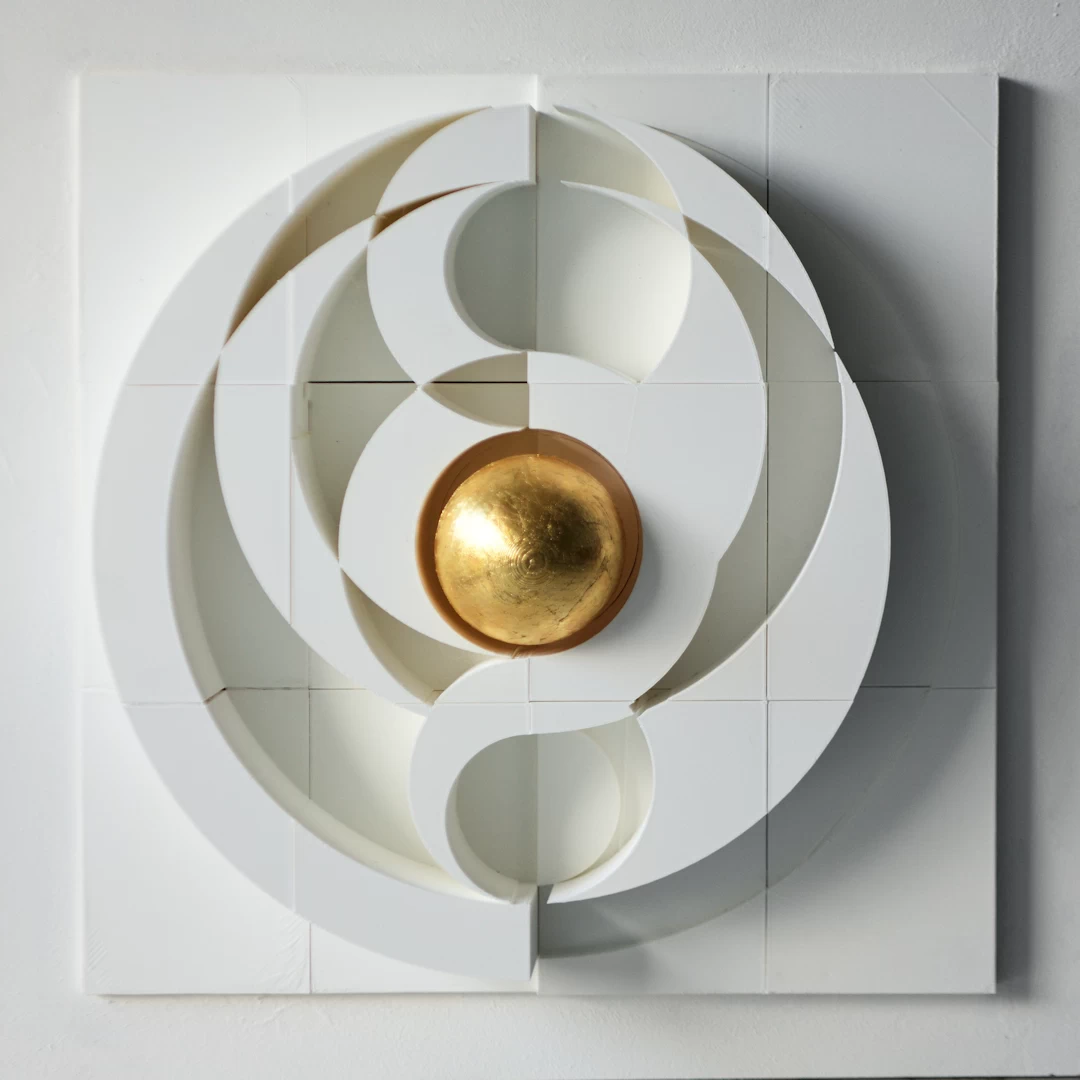
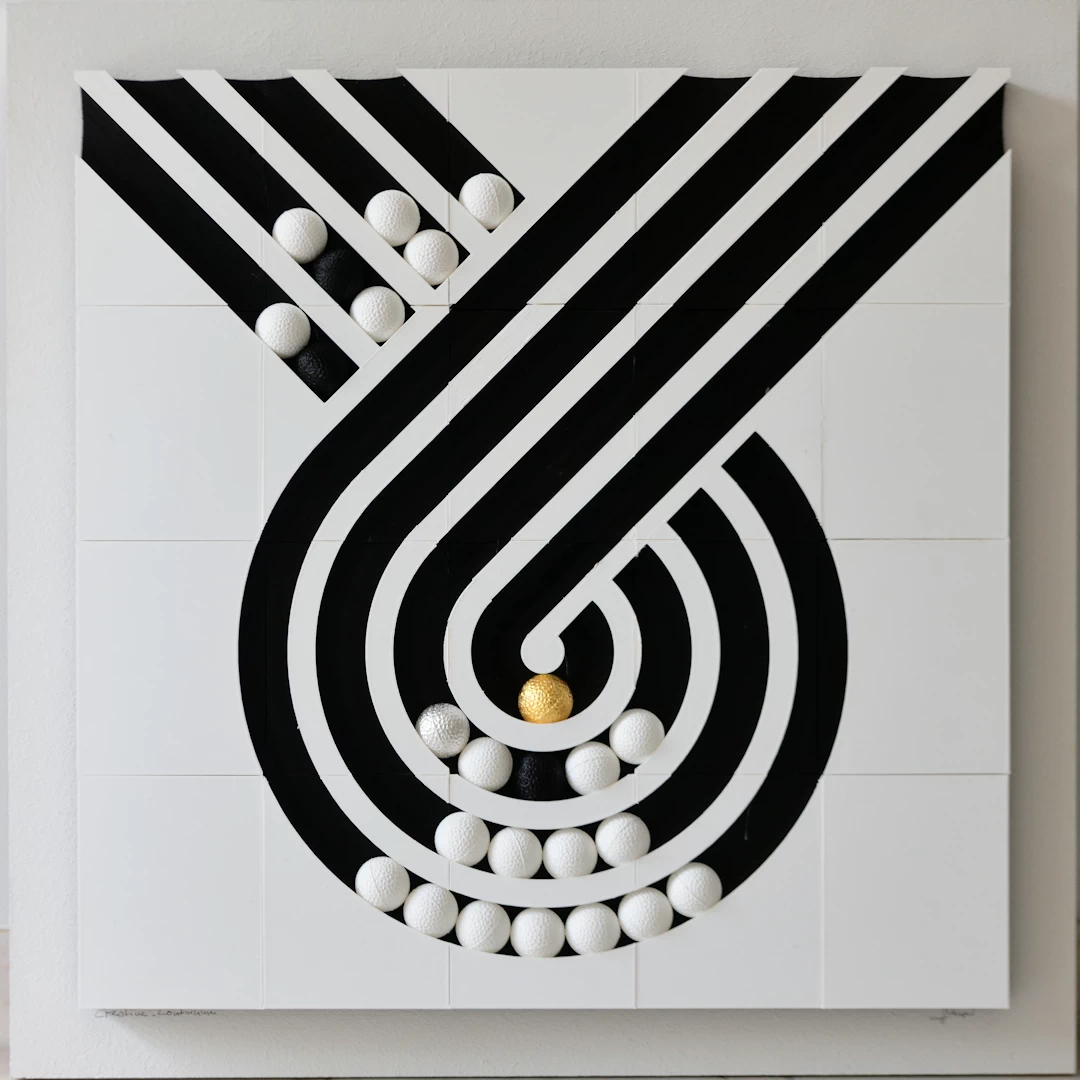
Heute verbinden seine Skulpturen digitale Präzision mit einer physischen, haptischen Präsenz. Monochrome, häufig weiße Oberflächen dominieren und betonen Licht, Schatten und räumliche Tiefe. Innerhalb dieser klar strukturierten Systeme bewegen sich Kugeln entlang vorgegebener Bahnen und werden zu zentralen Metaphern für die menschliche Existenz in Prozessen von Entscheidung, Orientierung und innerer Entwicklung.
Geometrische Strukturen wie Raster, Spiralen, Kanäle und labyrinthartige Systeme vermitteln Ordnung, Logik und Kontrolle, während die Position oder Bewegung der Kugeln Elemente von Zufall, Spannung und Unvorhersehbarkeit einführt. In vielen Arbeiten durchbricht ein einzelnes farbiges Element – häufig in Rot oder Gold – die visuelle Einheitlichkeit und fungiert als fokussierender Akzent.
Die Bildsprache oszilliert zwischen Klarheit und Komplexität: von reduzierten, beinahe meditativen Kompositionen bis hin zu dichten, vielschichtigen Strukturen, die an mentale Landschaften oder Entscheidungsprozesse erinnern. Wiederholung erzeugt Rhythmus und Kontinuität, während Unterbrechungen Momente des Innehaltens und der Reflexion schaffen.
Seine künstlerische Vision ist klar: Kunst soll zum Denken anregen. Im Zentrum seines Schaffens steht dabei stets der Mensch – mit all seinen inneren Welten, Entscheidungen, Brüchen und Möglichkeiten.
Eine Werksauswahl

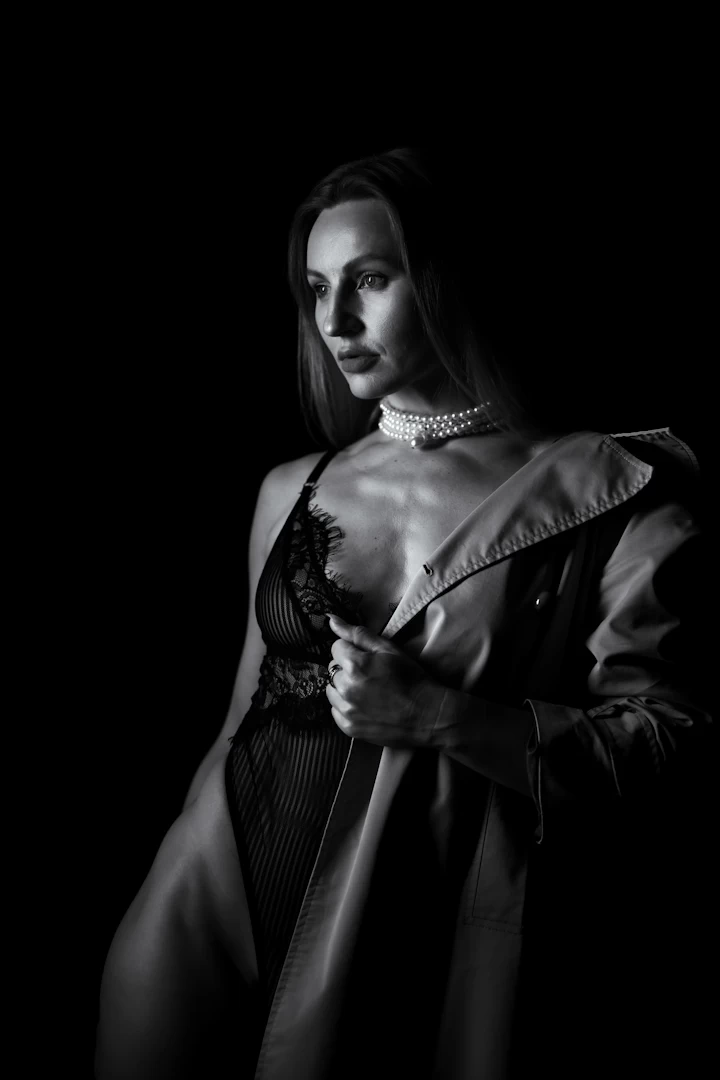
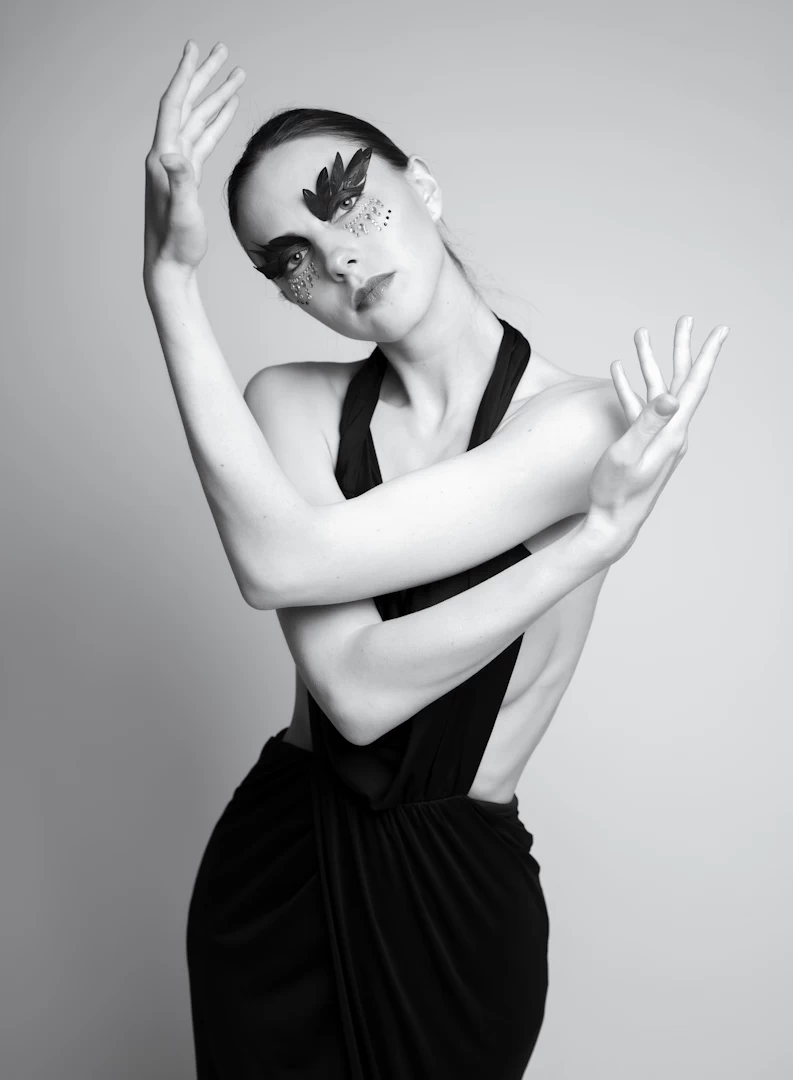
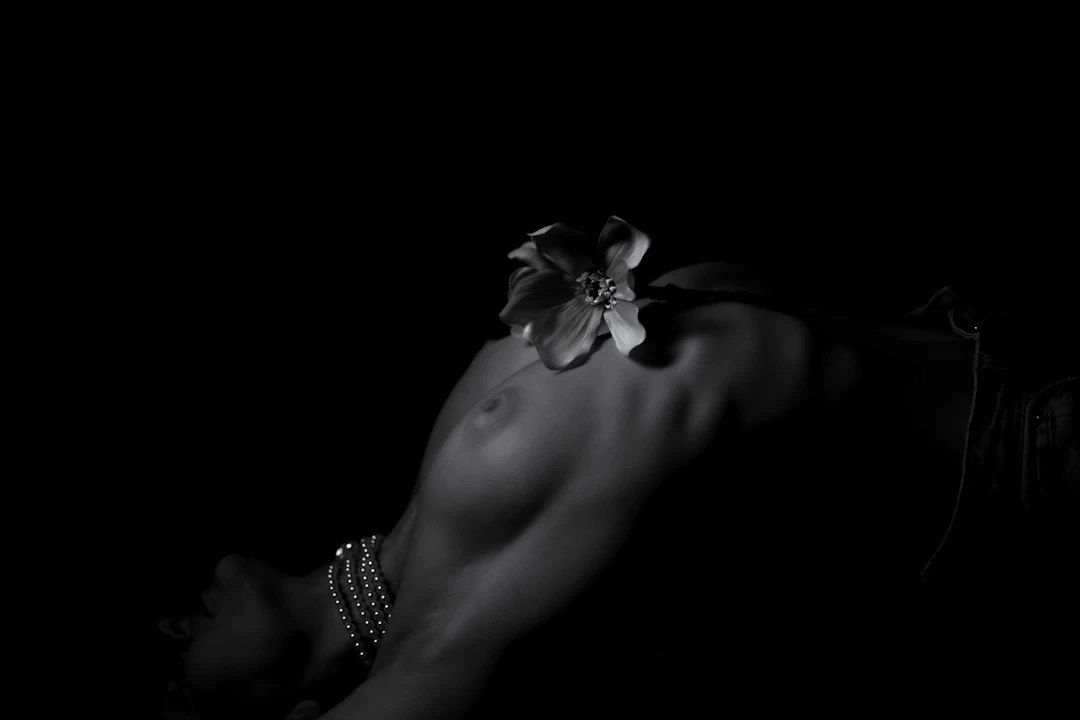
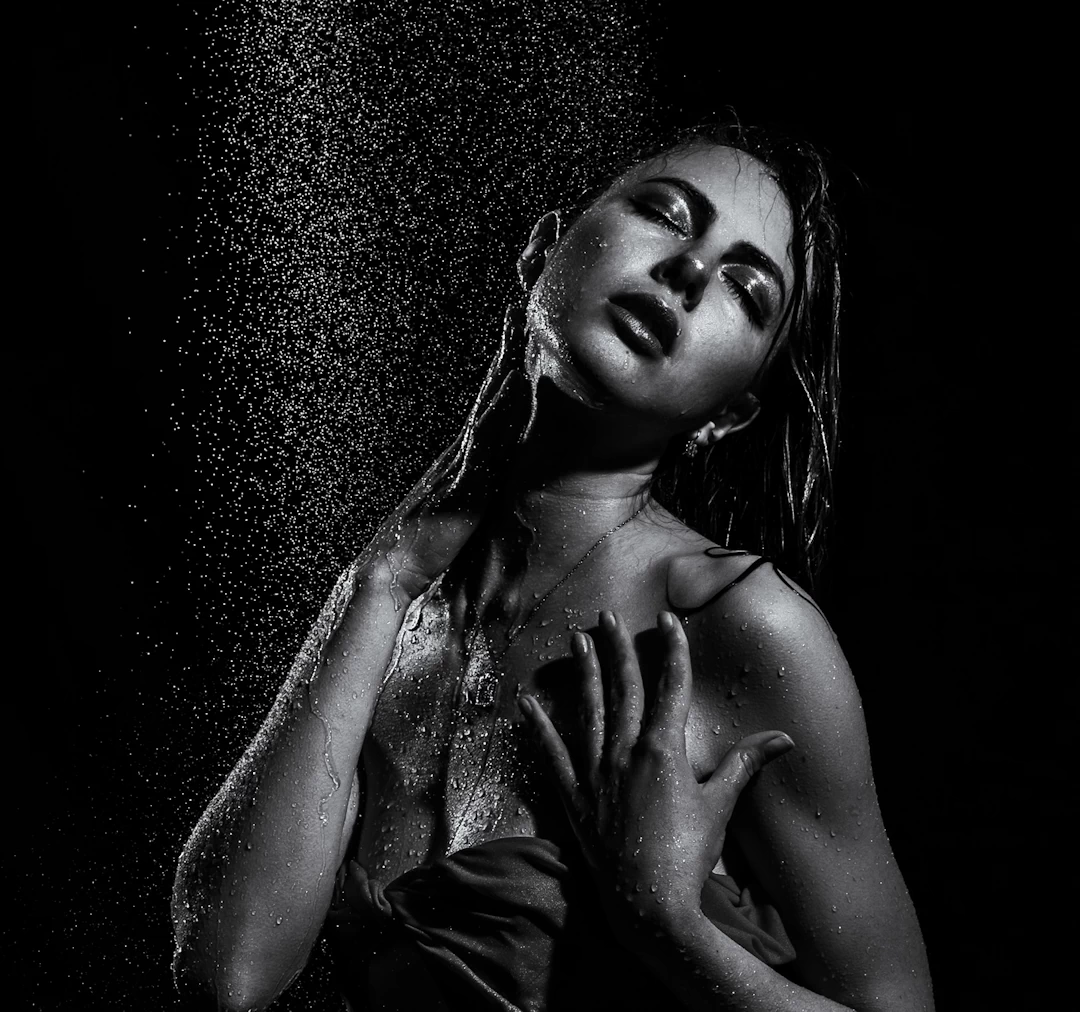
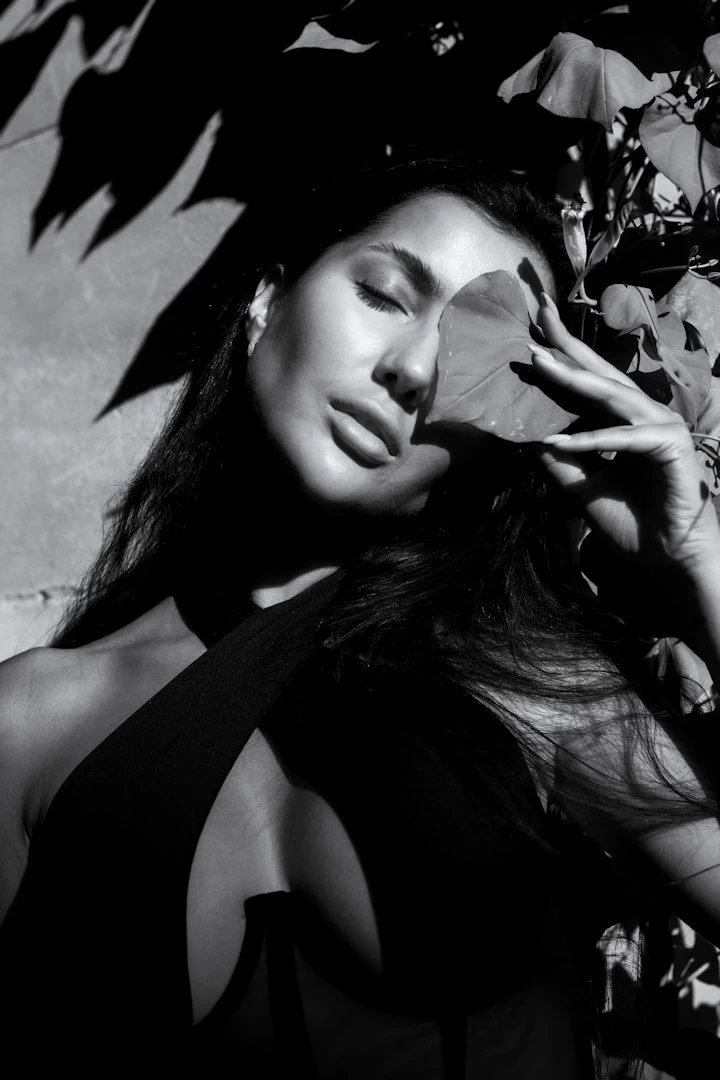
Janih Lüthi, geboren in Jakarta, Indonesien, ist eine in Bern lebende Fotokünstlerin, deren Werk durch eine intensive, sinnliche Bildsprache und eine feine Sensibilität für Licht, Körper und Emotion geprägt ist. In ihren Arbeiten verschmelzen Stärke und Verletzlichkeit, Inszenierung und Intimität zu einer klaren und zugleich poetischen Handschrift. Im Zentrum ihrer künstlerischen Praxis stehen Fragen von Identität, Selbstbestimmung und der vielschichtigen Präsenz von Weiblichkeit.
Lüthi arbeitet überwiegend in Schwarz-Weiß – eine bewusste Reduktion, die den Blick auf Form, Kontrast und Ausdruck lenkt. Licht wird dabei zu einem skulpturalen Element: Es modelliert Haut wie Marmor, lässt Gesichter aus der Dunkelheit hervortreten und schafft einen aufgeladenen Raum zwischen Offenbarung und Geheimnis.
Sowohl in der Porträtfotografie als auch in inszenierten Aktaufnahmen entstehen Bilder von eindringlicher Intensität, die eher andeuten als offenlegen. Der Körper erscheint nicht als Objekt, sondern als Träger von Emotion, Haltung und innerer Erzählung. Die Spannung zwischen Zartheit und Kraft bildet den Kern ihres fotografischen Ausdrucks.
Über die klassische Porträtfotografie hinaus entwickelt Lüthi konzeptuelle Serien, in denen Bewegung, Unschärfe und Schatten eine zentrale Rolle spielen. Bewusst eingesetzte Bewegungsunschärfen und Mehrfachbelichtungen lassen Figuren verschwimmen und neu entstehen – als würden Emotionen selbst Form annehmen. Ihre Fotografien laden nicht nur zum Betrachten, sondern zum Fühlen ein.
Lüthi arbeitet international in den Bereichen Mode-, Event- und Fine-Art-Fotografie. Ihre Werke wurden auf bedeutenden Plattformen wie der Swiss Art Expo in Zürich, der Paris Fashion Week sowie der Red Dot Miami präsentiert und in zahlreichen internationalen Galerien und Museen gezeigt. Zudem wurde sie in verschiedenen Kunst- und Modemagazinen veröffentlicht und mehrfach ausgezeichnet, unter anderem bei den Monochrome Photography Awards sowie durch den Swiss Photo Club.
Das Werk von Janih Lüthi bewegt sich zwischen Glamour und Tiefe, Inszenierung und Authentizität. Ihre Bilder erzählen von Selbstbewusstsein, Hingabe, Transformation und innerer Stärke. Sie zeigen nicht nur Gesichter und Körper, sondern machen Zustände sichtbar. In ihrer Arbeit wird Licht zur Sprache – und Dunkelheit zur Bedeutung.
Eine Werksauswahl

Jasmin Meiroseborn in Munich, lives and works in Cologne. After studying fine art with a focus on painting at the Freie Kunstschule in Cologne, she developed an unmistakable visual language characterised by expressive gestures, emotional directness and a deliberate refusal of aesthetic smoothness. Her PAINT IT LOUD series is exemplary of a form of painting that sees itself not only as a form of expression, but also as a form of resistance, against social conventions, against art-historical narratives of dominance, against silence. Meirose's works emerge from an immediate, physical action: the application of colour, traces of the painting process, overlays and breaks remain visible. This painterly immediacy articulates an existential concern: the desire for visibility, for control over one's own image, for liberation from expectations. The works are often raw, contradictory and loud, and this is precisely where their power lies. The central thematic poles are power and powerlessness, identity and attribution, self-assertion and collective memory. Meirose's strategy of "image transcription" is particularly striking: Icons of art history, Susanna in the bath, the artist myth of Van Gogh, the motif of the muse, are not quoted, but disempowered, transformed and recoded. This is not a rejection of tradition, but an appropriation. In her pictures, the female figure no longer appears as an object of observation, but as the subject of action. Formally, the works move between neo-expressionism, art brut and an aesthetic reminiscent of political murals and street art. The colours are loud, the strokes direct, the compositions exuberant. And yet they never seem random, everything is an expression of an attitude, a personal and political message. The irony that pervades some of the works is never banal, but sharp-edged and reflective. She breaks pathos without losing seriousness. Jasmin Meirose understands painting not as a contemplative act, but as a performative protest. Her art is an invitation to friction and a confrontation with our present. Statement: "I don't paint to please. I paint so that something speaks. A picture should not explain, but demand. PAINT IT LOUD is my call for visibility."
Eine Werksauswahl


Jens Winkler, a German artist from Saxony, discovered his passion for photography at an early age. He began taking his first pictures with his father's camera at the age of 13. He developed and enlarged his photographs himself in a small photo lab before the age of 18. His early involvement with analogue photography and its challenges had a lasting impact on his artistic approach. Large-format photography, with its unique sharpness and attention to detail, became a central theme of his work in the 1990s. Landscape photography in particular, often inspired by the Zittau Mountains, became the focus of his work. Digital medium-format photography opened up new ways of presenting his work. Today, black and white photography forms the centrepiece of his work. The abstraction inherent in black and white opens up extraordinary creative possibilities that go beyond those of colour photography. Light, deep black, radiant white and clear forms are at the centre of his artistic work and characterise his visual language. The works are characterised by space, expansiveness and minimalist compositions that create an atmosphere of calm and balance. Clear lines and simple structures form the basis of the photographic design and emphasise the essentials of the motif. The abstraction in black and white, paired with this reduction, lends the works a special depth and aesthetic clarity that invites the viewer to linger. His works are characterised by intensive post-processing in the digital darkroom, where a large part of the creative process takes place. The aim is to create works that radiate, arouse emotions and invite the viewer to linger. Techniques such as infrared photography lend his pictures an almost surreal character. His repertoire is complemented by architectural photography, which has also recently gained in importance. He draws inspiration from artists such as Ansel Adams, Michael Kenna and Joel Tjintjelaar, but always develops his own visual language. Positive feedback and numerous international awards have confirmed the quality of his works and brought him international recognition. His art has been shown in many renowned exhibitions, including in Venice, Istanbul and Buenos Aires. Winner of several awards, his works are today among the most outstanding examples of contemporary black and white photography.
Eine Werksauswahl


Joaquim Buttigli, 1972 in Zürich geboren und mit italienisch-dänischen Wurzeln, gehört zu jenen Künstlerpersönlichkeiten, deren Werk aus einer tiefen inneren Wahrnehmung heraus entsteht. Was anfangs als ein stiller Dialog mit dem Unbewussten begann, entwickelte sich im Laufe der Jahre zu einer Bildwelt voller Schichtungen, energetischer Verdichtungen und poetischer Andeutungen. Seine malerische Ausbildung in verschiedenen Meisterklassen und Workshops schärfte seine technische Handschrift, ohne die intuitive Offenheit seines Prozesses zu begrenzen. Die Kunst wurde für ihn zu einem Raum unmittelbarer Erfahrung, in dem sich innere Bewegungen direkt in Farbe, Rhythmus und Geste übersetzen.
Seine Arbeiten wurden in zahlreichen europäischen Städten präsentiert – darunter Paris, Barcelona, Venedig, Hamburg, Toronto, Ulm und Zürich – und fanden auf internationalen Kunstmessen ein breites Echo. Diese kontinuierliche Präsenz unterstreicht seine Bedeutung innerhalb der zeitgenössischen abstrakten Ausdrucksmalerei und zeigt, wie sein Werk über geografische und kulturelle Grenzen hinweg Resonanz erzeugt.
Im Zentrum seiner Malerei steht die Erforschung psychischer Räume. Viele seiner Werke wirken wie verdichtete Energiefelder: pulsierende, kreisförmige Formationen, die gleichzeitig nach außen strahlen und nach innen sinken, als ob sie Momente emotionaler Transformation festhalten. Die kurzen, kraftvollen Pinselzüge, die sich schichtweise übereinanderlegen, erzeugen vibrierende Oberflächen, die zwischen Ordnung und Auflösung oszillieren. In anderen Gemälden scheinen farbige Schleier über die Leinwand zu gleiten – vertikale Bewegungen, die Übergänge markieren, Grenzräume zwischen Wachheit und Traum, Klarheit und innerer Unschärfe.
Auch seine figurativen Arbeiten sind von dieser psychischen Spannung durchzogen. Die Gesichter erscheinen verschoben, überlagert, gebrochen – Ausdruck innerer Stimmen, die gleichzeitig miteinander verschmelzen und sich voneinander lösen. Nichts bleibt statisch; jede Linie, jeder Farbauftrag suggeriert Bewegung, Suche, Wandlung. Buttigli malt nicht mit der Absicht, erzählerische Klarheit zu schaffen. Er öffnet vielmehr Räume, in denen emotionale Zustände sichtbar werden, die sich rationaler Auflösung entziehen. Seine Werke laden Betrachterinnen und Betrachter ein, ihren eigenen Resonanzen zu begegnen – als wären die Gemälde Spiegel, die im Inneren mehr enthüllen als im Außen.
Die Stärke seines Werks liegt in dieser Balance zwischen Wildheit und Präzision, zwischen explosiver Geste und ruhiger Tiefe. Buttigli gehört heute zu den Künstlern, deren Malerei intuitiv, energiegeladen und zugleich feinfühlig bleibt – ein Werk, das sich stetig weiterentwickelt und doch immer in der Haltung verwurzelt ist, dem Moment des Entstehens zu vertrauen.
Eine Werksauswahl


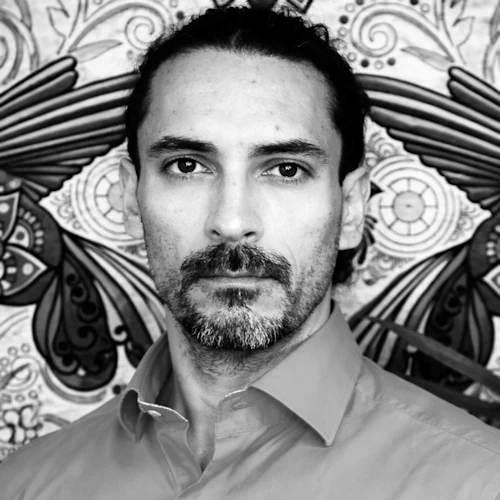
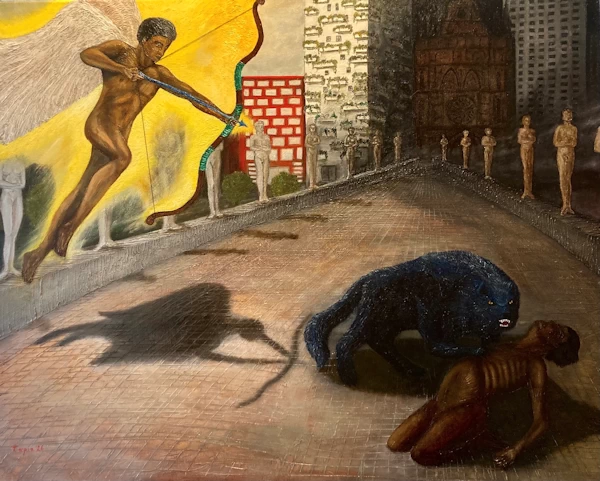
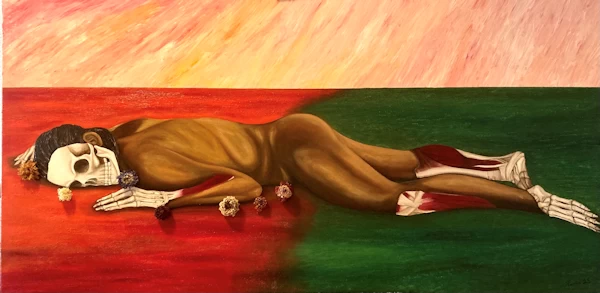
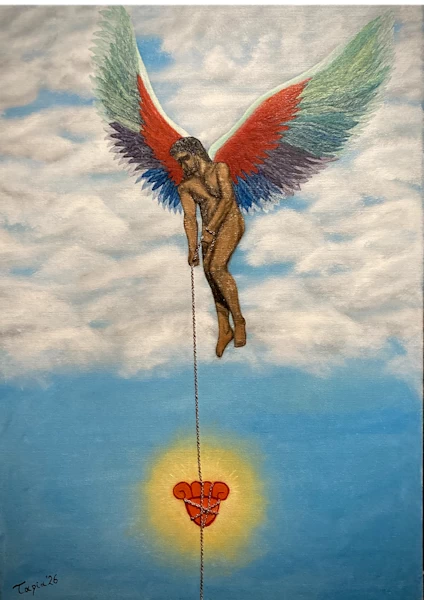
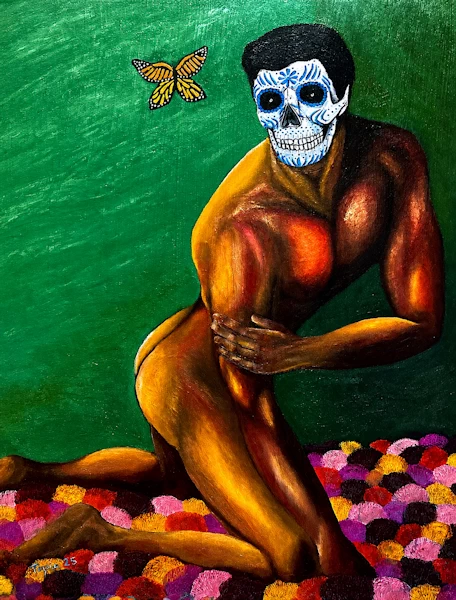
Jorge Humberto Tapia Pérez ist ein mexikanisch-deutscher zeitgenössischer Künstler, dessen künstlerische Vision maßgeblich durch seine langjährige Tätigkeit als Neurochirurg geprägt wurde. Er arbeitet überwiegend mit Öl auf Leinwand und integriert zugleich Materialien wie Kreide, Sand, Metall und Textilien. So entstehen symbolisch aufgeladene Werke, die sich mit Anatomie, Erinnerung, Spiritualität und menschlicher Transformation auseinandersetzen.
Seine Gemälde verbinden anatomische Präzision mit zeitgenössischer Figuration und einer vielschichtigen Symbolsprache. Ausgehend sowohl von der mesoamerikanischen Kosmologie als auch von europäischen ikonografischen Traditionen entwickelt Tapia Pérez komplexe Bildwelten, in denen der menschliche Körper zum Ort psychologischer, emotionaler und spiritueller Reflexion wird.
Skelette, anatomische Herzen, Engel, Schmetterlinge, Heiligste Herzen und mythologische Figuren dienen dabei nicht als bloße Darstellungen, sondern als Metaphern für Verletzlichkeit, Widerstandskraft, Vergänglichkeit und Erneuerung.
Obwohl seine Kunst tief von medizinischem Wissen geprägt ist, reicht sie weit über wissenschaftliche Beobachtung hinaus. Die Anatomie wird zu einer visuellen Sprache, mit der unsichtbare emotionale und existenzielle Erfahrungen sichtbar gemacht werden. Themen wie Leid, Heilung, Identität, Liebe, Verlust und Transzendenz behandelt er mit außergewöhnlicher Sensibilität und lädt die Betrachtenden dazu ein, über die Vielschichtigkeit der menschlichen Existenz nachzudenken.
Tapia Pérez gelingt es meisterhaft, Realismus und Symbolismus miteinander zu verbinden. Seine sorgfältig modellierten Figuren bewegen sich in traumähnlichen Bildräumen, in denen dramatisches Licht, intensive Farbigkeit und surreale Kompositionen eine starke emotionale Spannung erzeugen. Bezüge zum Día de los Muertos, zur indigenen Philosophie, zur christlichen Symbolik und zu den gesellschaftlichen Realitäten der Gegenwart bestehen dabei selbstverständlich nebeneinander und verleihen seinen Werken sowohl eine tiefe kulturelle Verwurzelung als auch eine universelle Aussagekraft.
Durch diese Synthese aus Medizin, Mythologie und zeitgenössischer Malerei schafft Jorge Humberto Tapia Pérez eindrucksvolle Werke von großer emotionaler Intensität. Sie verwandeln persönliche und kollektive Erfahrungen in zeitlose Reflexionen über Identität, Zerbrechlichkeit, Hoffnung und die beständige Fähigkeit des Menschen zur inneren Transformation.
Eine Werksauswahl
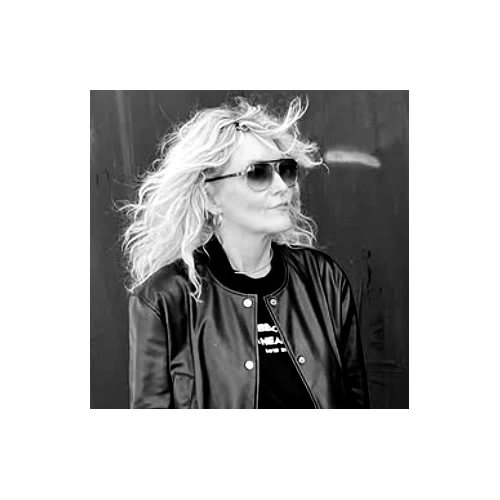
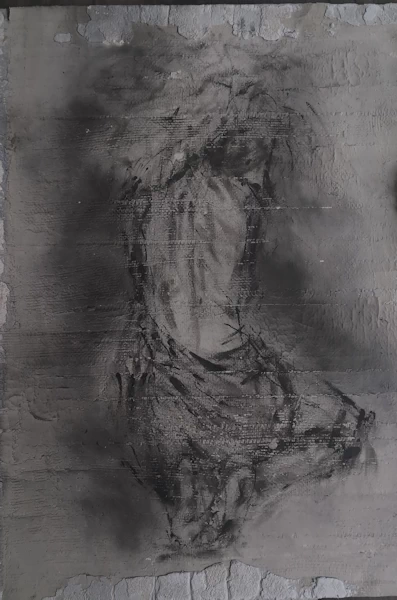
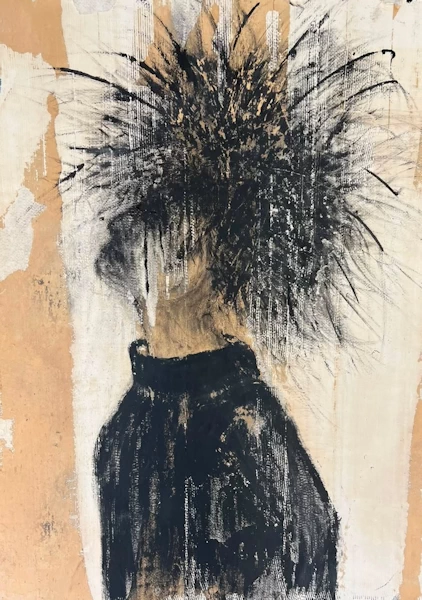
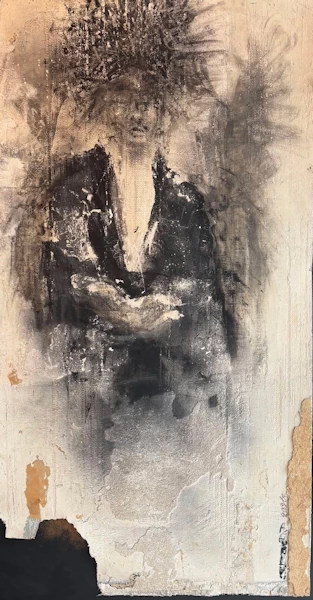
Louise Stubberup ist eine zeitgenössische dänische Künstlerin, deren künstlerische Praxis im unmittelbaren körperlichen Akt des Malens verwurzelt ist. Sie arbeitet ausschließlich mit schwarzem Pigment und verwendet dabei ausschließlich ihre Hände. Auf Skizzen, Konzepte oder vorgegebene Bildideen verzichtet sie vollständig. Stattdessen entstehen ihre Werke aus dem direkten Kontakt zwischen Körper und Bildträger, wobei Intuition, Bewegung und Material den endgültigen Bildaufbau bestimmen.
An der Schnittstelle zwischen Abstraktion und Figuration angesiedelt, lassen ihre Arbeiten fragmentierte Gesichter und menschliche Präsenz aufscheinen, nur um sie im nächsten Moment wieder verschwinden zu lassen. Anstatt Geschichten zu erzählen, untersucht Stubberup den fragilen Übergang zwischen Erkennbarkeit und Auflösung und schafft Bilder von großer psychologischer Intensität und emotionaler Vieldeutigkeit.
Im Zentrum ihres Schaffens steht die konsequente Ablehnung jeder vermittelnden Instanz. Indem sie auf Pinsel und konventionelle Werkzeuge verzichtet, wird jede Bewegung zu einer unmittelbaren Spur von Druck, Zögern, Kraft und Wiederholung. Das Gemälde ist keine Darstellung von Emotionen, sondern der physische Niederschlag einer Erfahrung.
Bewusst arbeitet Stubberup auf verwitterter Leinwand, Papier, Karton und wiederverwendeten Materialien, die bereits ihre eigene Geschichte in sich tragen. Risse, Flecken, Knicke und abgenutzte Oberflächen bleiben als aktive Bestandteile der Komposition erhalten und lassen Vergangenheit und Gegenwart zu einer gemeinsamen Bildsprache verschmelzen. Dicke Pigmentschichten, freiliegende Fasern und rohe Kanten bleiben sichtbar und unterstreichen den Entstehungsprozess stärker als jede Vorstellung von Perfektion.
Ihre reduzierte monochrome Farbpalette verstärkt die emotionale Wirkung jedes Werkes. Dramatische Kontraste zwischen Licht und Dunkelheit schaffen Kompositionen, die zur Kontemplation statt zur eindeutigen Erklärung einladen. Die Betrachtenden begegnen darin Spuren von Erinnerung, Verletzlichkeit und Transformation.
Louise Stubberup verzichtet bewusst auf Verfeinerung und vorherbestimmte Ergebnisse und begreift Unsicherheit als einen wesentlichen Bestandteil des künstlerischen Schaffens. Ihre Gemälde widersetzen sich jeder narrativen Auflösung und bestehen stattdessen als kompromisslose Zeugnisse von Präsenz – roh, haptisch und zutiefst menschlich. Jedes Werk bewahrt jede einzelne Spur als authentischen Nachweis des fortwährenden Dialogs zwischen Künstlerin, Material und Zeit und wird so zu einem eindrucksvollen Zeugnis des Werdens.
Eine Werksauswahl
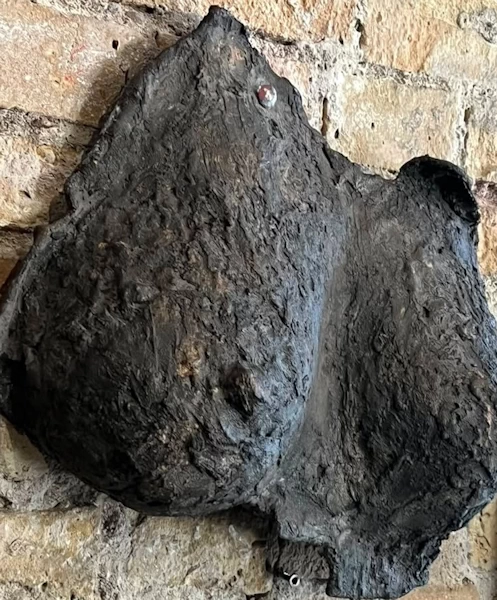
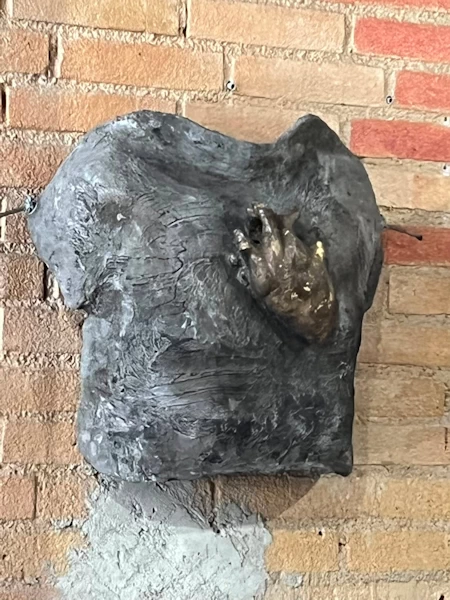

Luciana Grandi is a German-Brazilian artist whose work oscillates between expressive figuration and emotion. Her artistic journey has taken her beyond Rosenheim to international exhibitions in Europe and the USA. Grandi's powerful paintings blend intense colours, physical gestures and moving compositions. Her works radiate a physical energy in which human emotions, social themes and aesthetic sensibility find dense visual expression.
This is particularly impressive in her dance series "Noch einen Tanz" and "Special Sessions", in which she depicts bodies in ecstatic movement, frozen in moments of rhythm, intoxication and inner tension. These paintings celebrate the vitality of the body, the expression of the soul and the poetry of movement. Grandi's style is characterised by bold brushstrokes, bright contrasts and an intuitive choice of colour, often combining red, green, blue and violet. The bodies appear almost sculptural, as if they were modelled from paint itself, formed by rough, impulsive strokes and thickly applied layers of paint applied to the canvas both with a brush and with bare hands.
Her painting style carries a powerful physical presence, palpable in every agitated application of colour, as if the entire creative process were an act of direct, physical engagement with the material. Her figures appear tense and vulnerable at the same time, captured in scenes that tell of intimacy, strength and connection. Another central component of her work is the "Favela Lights" series, in which she portrays life in Brazilian neighbourhoods with empathy, depth and a sense of beauty that goes beyond clichés. Scenes of everyday life, encounters on the pavement, conversations and simple rituals are translated into vibrant colours and geometric compositions. Grandi has taken part in renowned exhibitions in Paris, New York, Miami, Luxembourg, Helsinki, Le Mans, Salzburg, Venice and Munich.
Eine Werksauswahl


Margarethe von Billow ist eine zeitgenössische Künstlerin, deren Werk das Zusammenspiel von Licht, Schatten und Emotion durch Farbe, Form und Textur erforscht.
Ihre künstlerische Praxis basiert auf einer klassischen Ausbildung, die sie kontinuierlich durch Experimente mit vielfältigen Materialien und Techniken erweitert hat.
Ihr Œuvre umfasst sowohl figurative als auch abstrakte Kompositionen, die ihre Faszination für Kontraste widerspiegeln – zwischen Klarheit und Mehrdeutigkeit, Bewegung und Stillstand, Struktur und Intuition. Jedes Werk lädt die Betrachtenden zu einem Dialog zwischen Wahrnehmung und innerer Resonanz ein.
In ihrem jüngsten Werkzyklus verbindet Margarethe von Billow expressionistische Abstraktion mit Elementen der urbanen Pop Art und kultureller Symbolik. Leuchtende Farbfelder interagieren mit Silhouetten ikonischer Figuren und Stadtsilhouetten und erzeugen eine dynamische Spannung zwischen Individualität und kollektiver Erinnerung. Arbeiten wie Liberty oder Elvis stellen wiedererkennbare Bildmotive gestischen, vielschichtigen Farbschichten gegenüber und verwandeln Symbole von Freiheit, Ruhm und urbanem Leben in emotionale Landschaften.
Ihre abstrakten Werke hingegen folgen einem intuitiveren, fast musikalischen Rhythmus: kraftvolle Gesten, Spritzer und Farbverläufe übersetzen innere Zustände in Bewegung. Die Kompositionen erinnern an den Puls einer Stadt, den Widerhall von Klängen oder die Fluidität des Lichts – ein beinahe synästhetisches Erlebnis, bei dem sich Sehen und Emotion verbinden.
Im Laufe der Jahre hat Margarethe von Billow mehrere charakteristische Konzepte entwickelt, darunter Wineart, das bildende Kunst und Önologie vereint, sowie LifeArt, eine Serie, die die Dualität von Licht und Schatten als Metaphern für die Existenz untersucht. Ihre Farbkompositionen sind geprägt von expressionistischer Intensität und emotionaler Tiefe und übersetzen Musik und Rhythmus in visuelle Form.
Ihre Werke wurden international ausgestellt, und ihre künstlerische Vision entwickelt sich stetig weiter, getragen von einer tiefen, menschlichen Verbundenheit in jeder Komposition.
Eine Werksauswahl


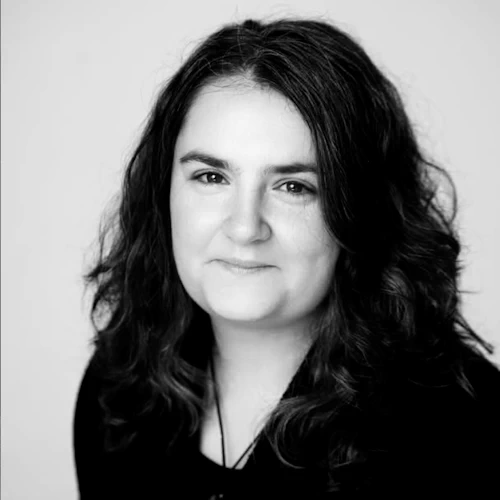
Micaella Cervinscaia ist eine in Deutschland lebende Mixed-Media-Künstlerin, deren Werk die Beziehung zwischen Materialität, Natur und inneren Landschaften erforscht.
Durch vielschichtig aufgebaute Oberflächen schafft sie haptische Kompositionen, die zu Momenten der Ruhe, Kontemplation und achtsamen Reflexion einladen.
Ihre künstlerische Praxis ist geprägt von der experimentellen Auseinandersetzung mit natürlichen und strukturbildenden Materialien wie Steinmehl, Eisenfeilspänen, botanischen Elementen aus dem Eco-Print-Verfahren, Kreidefarbe, Strukturpaste sowie Blattgold und Blattsilber. Schicht für Schicht entsteht eine eigenständige Bildsprache, in der organische Texturen und fein abgestimmte Farbwelten Assoziationen an Landschaften, Erinnerungen und emotionale Zustände hervorrufen. Zwischen Abstraktion und von der Natur inspirierten Bildwelten eröffnen ihre Gemälde stille Räume, die eine intensive sinnliche Wahrnehmung ermöglichen.
Werkserien wie Green Meditation widmen sich Themen wie Präsenz, Selbsterkenntnis und der regenerierenden Kraft der Natur. Kreisförmige Kompositionen und reliefartige Oberflächen laden die Betrachtenden dazu ein, innezuhalten, wieder mit sich selbst in Verbindung zu treten und Malerei nicht nur als Bild, sondern als kontemplative Erfahrung zu erleben.
Die Arbeiten von Micaella Cervinscaia wurden in nationalen und internationalen Ausstellungen präsentiert, darunter Art Without Borders in Chongqing (China), die New & Abstract Gallery in Berlin sowie die Gruppenausstellung Chaos and Order in Stuttgart. Im Jahr 2025 wurde ihr Werk als Curator’s Pick der Women United Art Magazine (Ausgabe XII) ausgewählt und mit dem Certificate of Artistic Merit des Luxembourg Art Prize ausgezeichnet.
Eine Werksauswahl
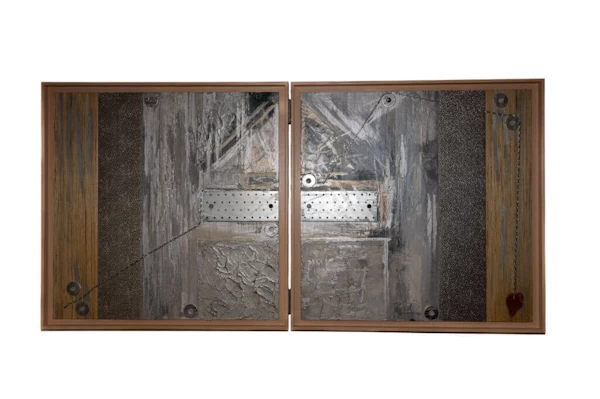

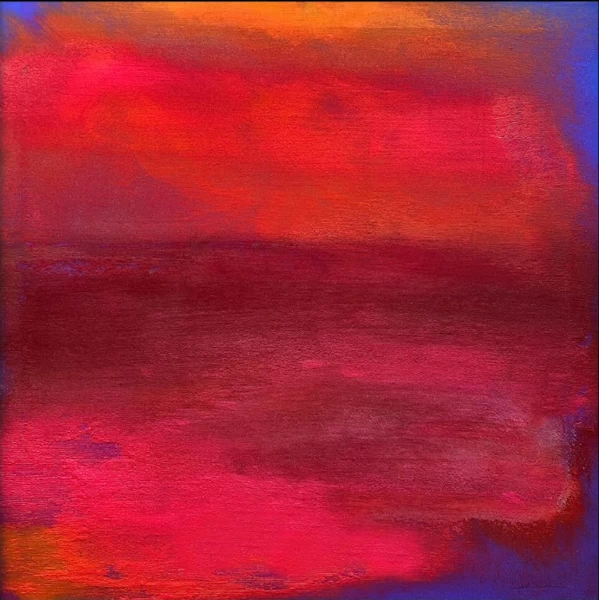
Roswitha Heidrich is a German visual artist from Baden-Württemberg whose abstract art style is characterised by free forms, intense colour fields and dynamic brushstrokes. Her work follows Abstract Expressionism, which emphasises the individual signature and intensity of artistic expression. Expressive brushstrokes, palette knife techniques and an intense colour palette are particularly striking. In the style of Mark Rothko, known for his luminous colour fields that have a strong emotional impact, Heidrich uses colour as his primary means of expression. Heidrich's emphasis on surface and layering of colour is also reminiscent of Rothko's approach. The intensity and focus on colour as a medium to convey emotions and moods share a similar spirit with Rothko's works.
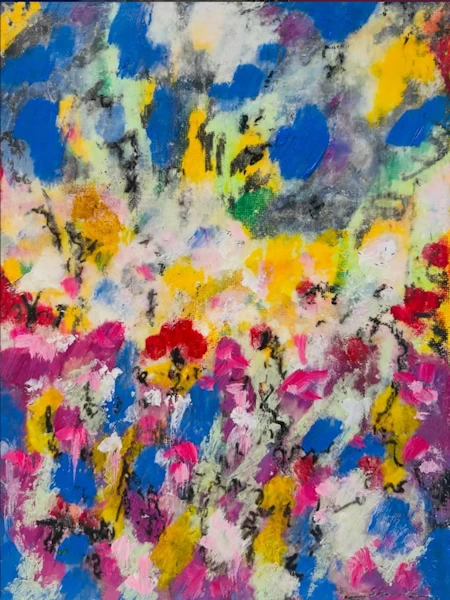
The expressive nature of the paintings, with their bold strokes and abstract shapes, gives them a dynamic and energising quality that can captivate and inspire viewers. The focus on the visual impact of colour combinations, textures and compositions, rather than depicting realistic scenes, conveys the unique emotions and atmospheres of each painting. This invites a sensory journey where viewers are enveloped in vibrant and joyful colours that lift their spirits and fill the space with positivity. The artist uses a palette that is as diverse and dynamic as life itself. Inspired by the colours she encounters in everyday life, she creates colour concepts that represent an immediate, intuitive response to the world around her. The use of yellow and blue creates an atmosphere that is both vibrant and calming, achieving a perfect balance between energy and tranquillity. The combination of pink and red tones, mixed with shades of blue, green and yellow, evokes a powerful and almost spring-like vibrancy. An intense blue, reminiscent of a mighty ocean landscape, combined with a peaceful sky in soft orange tones, transports us to a world of contrasts where the strength of the sea meets the tranquillity of the sky. Orange tones rising above a calm pink and white suggest a sunset scene where day fades into a tranquil night. This combination suggests a sense of farewell that is both beautiful and melancholic. Pink and dark green present a striking dichotomy that exudes calm and a sense of balance. A calming combination of blue tones, separated by a white stripe from a deep dark blue that forms the base, evokes a contemplative mood.
Overall, Heidrich's colour compositions open a window to our innermost feelings and invite us to explore the depths of our own being, offering us a moment of peace and reflection in our often hectic world. With numerous exhibitions in Germany (Bremen, Hamburg, Bonn, Munich) and internationally, Heidrich has presented her works to a wide audience. The musical interpretation of her work "HOPE" by the composer Margin Alexander, which was presented at an event, emphasises the resonance that her pictures find in people's hearts. Her exhibitions are not just showcases for her art, but become meeting places for those who seek and appreciate the transformative power of colour. Roswitha Heidrich stands for art that touches, revitalises and inevitably enriches the soul.
Eine Werksauswahl


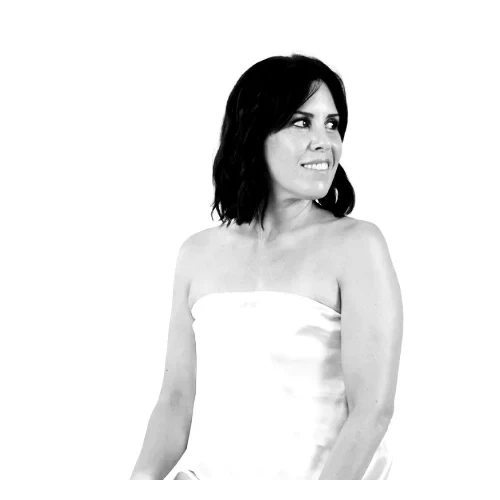
Sheila Toledo lebt in der Schweiz, ist eine zeitgenössische multidisziplinäre Künstlerin, deren Werk sich mit Erinnerung, Resilienz und den unsichtbaren emotionalen Landschaften beschäftigt, die das menschliche Erleben prägen. Ursprünglich aus Spanien stammend, verbindet sie einen umfassenden akademischen Hintergrund – einschließlich einer Promotion in Kunst und Forschung – mit einer intuitiven künstlerischen Bildsprache, die Abstraktion, Materialität und psychologische Reflexion miteinander vereint.
Geprägt von der japanischen Philosophie des Kintsugi versteht sie Brüche nicht als Makel, sondern als sichtbare Spuren gelebter Erfahrungen, in denen sich Schönheit durch Heilung, Ausdauer und Erneuerung offenbart. Im Zentrum ihrer künstlerischen Forschung steht insbesondere die Resilienz von Frauen im Laufe der Geschichte. Dabei untersucht sie die psychologischen, sozialen und kulturellen Strukturen, die Identität formen. Anstatt diese Themen unmittelbar darzustellen, übersetzt Toledo sie in atmosphärische Bildwelten, in denen Erinnerung, Emotion und Zeit miteinander verschmelzen. Subtile figurative Elemente treten aus abstrakten Oberflächen hervor, bevor sie sich wieder in vielschichtigen Farbschichten auflösen. So entsteht ein kontemplativer Dialog zwischen Präsenz und Abwesenheit.
Erdige Mineralfarben, leuchtende Pigmente sowie feine Akzente in Gold, Blau, Karminrot und Ocker schaffen Kompositionen, die Zerbrechlichkeit und Stärke in ein ausgewogenes Verhältnis setzen. Durch den behutsamen Aufbau von Texturen und transparenten Farbschichten entwickelt jedes Gemälde eine nahezu archäologische Tiefe, die Spuren vergessener Geschichten, emotionaler Landschaften und kollektiver Erinnerung erahnen lässt.
Ihre Werke bewegen sich mühelos zwischen zeitgenössischer Abstraktion und poetischem Symbolismus und eröffnen den Betrachtenden eine Erfahrung, die gleichermaßen intellektuell anregend wie emotional berührend ist. Jedes Werk ist ein einzigartiges Original, das in einem intuitiven und zugleich intensiv forschungsbasierten Schaffensprozess entsteht und ihren Anspruch an Authentizität, Materialforschung und konzeptionelle Tiefe widerspiegelt.
Heute zeichnen sich Sheila Toledos Gemälde durch ihre stille Intensität und ihre raffinierte Vielschichtigkeit aus. Sie sprechen Sammlerinnen und Sammler an, die zeitgenössische Kunst suchen, welche ästhetische Eleganz mit tiefgründiger emotionaler und philosophischer Aussagekraft verbindet. Jedes Werk wird zu einer Meditation über Resilienz, Transformation und die bleibende Schönheit, die im Unvollkommenen verborgen liegt.
Eine Werksauswahl
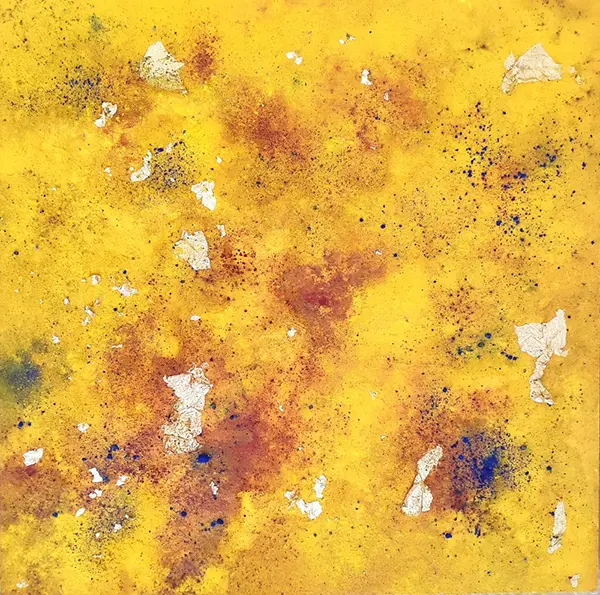
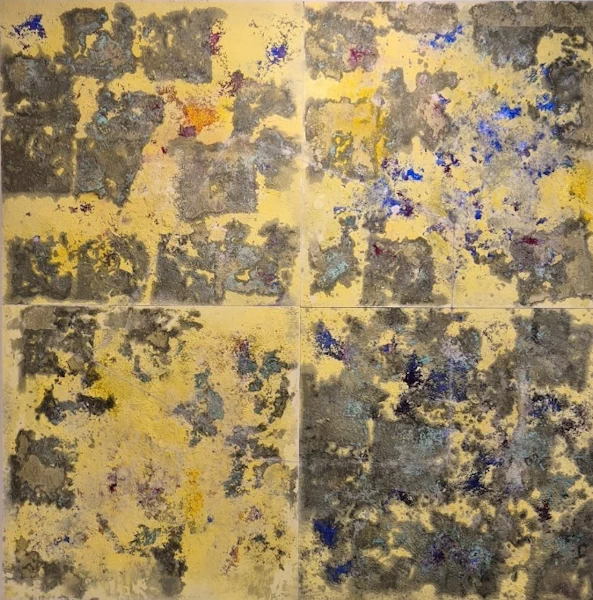
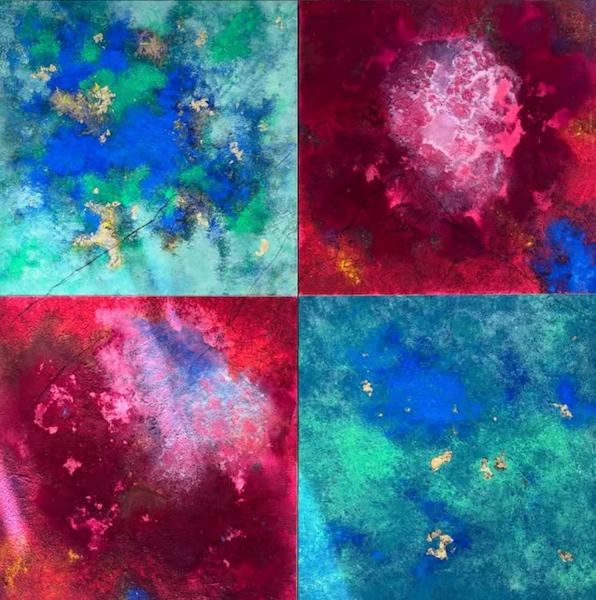

Silvio Luz Ferraza Brazilian sculptor, embodies the technical precision of an engineer, the spirit of an artist and the heart of a nature lover. His transformative experience in Chicago, where he explored the urban landscape characterised by Frank Lloyd Wright's signature Prairie style - a style established in 1893 that reflects a deep connection between buildings and the surrounding landscape - sparked a new source of inspiration in him. Luz Ferraz's deep admiration for Wright's seamless integration of nature and art significantly influenced his creative direction and craft. In a similar way to Wright, whose style was characterised by the philosophy of organic architecture and emphasised the harmony between man-made buildings and the natural environment, Luz Ferraz develops his extraordinary sculptures.
He utilises natural wood scraps of different species, with each of his works having a unique shape, with breaches or voids that create an intriguing visual permeability. He respects the transformative work of nature in his art, allowing for changes caused by animal activity, decomposition and integration, resulting in complex, complete artworks that are unique, natural and inspiring. Each of Ferraz's works is firmly rooted in the natural characteristics and forms of the material used, an approach known as nature art, as it highlights the inherent beauty of wood and often uses the irregular characteristics found in nature, such as uneven surfaces, textures and natural colour variations. The surfaces of these sculptures always show a variety of textures, from smoothly polished to rough and natural. The shapes are sometimes reminiscent of organic structures and sometimes abstract, which are thought-provoking and allow for different interpretations. This diversity demonstrates the artist's talent for constant reinvention and invites contemplation.
The style is also reminiscent of modernism, particularly in its abstract forms, which allow for free interpretation and encourage viewers to look at the works from different perspectives. The irregularities and indentations are also emblematic of the wabi-sabi concept, a Japanese aesthetic that values the beauty of imperfection, transience and incompleteness. Luz Ferraz presents his artworks as an opportunity to experience this transformation and invites us to share this journey with nature.
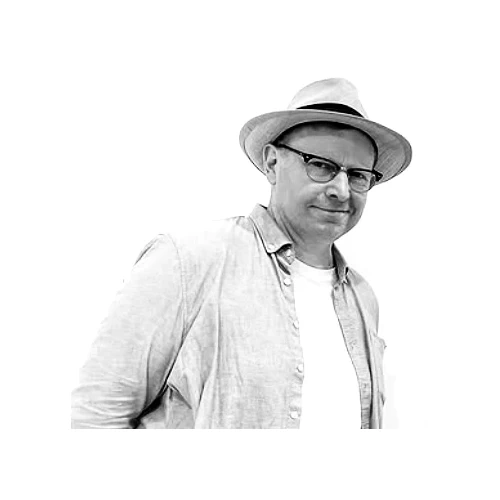
Stefan Kraft ist ein deutscher zeitgenössischer Künstler, dessen multidisziplinäre Praxis Malerei, Collage, Décollage, Zeichnung und Mixed Media umfasst. Seit seinem Studium an der Hochschule der Künste Berlin (HdK), das er als Meisterschüler von Prof. Dieter Hacker abschloss, entwickelte er eine eigenständige Bildsprache, die sich mit Erinnerung, Materialität, Wahrnehmung und dem poetischen Potenzial alltäglicher Spuren auseinandersetzt.
Auf Papier, Leinwand und gefundenen Oberflächen entstehen vielschichtige Kompositionen, in denen Malerei, Collage, Abrasion und Zeichnung durch einen Prozess des Hinzufügens und Reduzierens miteinander in Dialog treten. Fragmente werden ergänzt, verdeckt, entfernt und wieder freigelegt, sodass jedes Werk die Geschichte seines eigenen Entstehungsprozesses bewahrt. Anstatt eindeutige Erzählungen zu präsentieren, rufen seine Arbeiten Assoziationen an Landschaften, Architektur, Erinnerungen und emotionale Zustände hervor, die bewusst offen für individuelle Interpretationen bleiben.
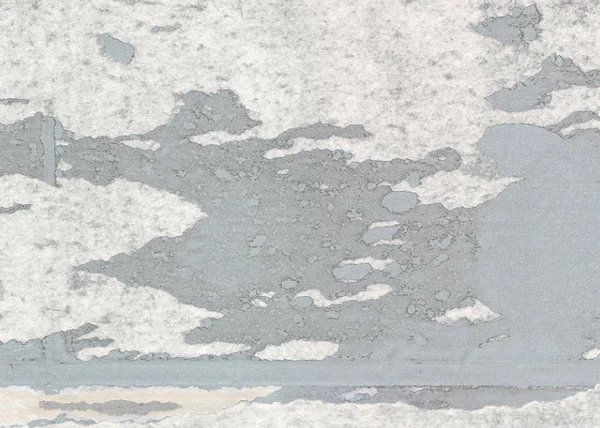
Textur und Materialität stehen im Zentrum seines Schaffens. Zerrissene Papiere, verwitterte Oberflächen, monochrome Partien, gestische Zeichen und zurückhaltende Farbfelder erzeugen Werke, die zwischen Abstraktion und Andeutung oszillieren. In seinen jüngeren Gemälden tritt die Reduktion zunehmend in den Vordergrund: Stille, Raum und die Ausdruckskraft minimaler Eingriffe gewinnen an Bedeutung und laden die Betrachtenden dazu ein, das Bild mit ihrer eigenen Wahrnehmung zu vollenden.
Neben seinen abstrakten Arbeiten widmet sich Kraft weiterhin der figurativen Malerei und dem Stillleben und hält damit den Dialog zwischen Gegenständlichkeit und Abstraktion lebendig. Seit 1993 lebt und arbeitet er in Berlin. Seine Werke wurden in zahlreichen Ausstellungen in Deutschland sowie international präsentiert und befinden sich in öffentlichen und privaten Sammlungen in Deutschland, England, Schweden, der Schweiz und den Vereinigten Staaten. Durch seinen sensiblen Umgang mit Material und Prozess verwandelt Stefan Kraft alltägliche Spuren in kontemplative Werke, in denen Zeit, Erinnerung und Oberfläche zu einer untrennbaren Einheit verschmelzen.
Eine Werksauswahl




Susanne Meier zu Eissen-Rau erwarb ihr Diplom 1992 an der Kunstakademie Münster und begann eine beeindruckende und lange Karriere in der bildenden Kunst. Ihre kreative Odyssee hat die deutsche Kunstszene durchquert, wo sie ihre Vision in einer Vielzahl von Ausstellungsräumen, von traditionellen Galerien bis hin zu alternativen Kunststätten, präsentiert hat. Susanne Meier zu Eissen-Rau ist eine Künstlerin, die im Spiel der Abstraktion brilliert, auf der Leinwand mit kühnen Strichen und einem Kaleidoskop von Farben tanzt. Sie ist eine Alchemistin der modernen Kunst, eine Entdeckerin im Reich der Farben und Formen. In einigen Werken von Susanne Meier zu Eissen-Rau wird das Erbe der Vergangenheit getragen – in die Fasern des Buchbindeleinens eingewoben, dem traditionellen Stoff alter Bibeln.
Mit jedem Pinselstrich erweckt sie dieses historische Material zum Leben und verleiht ihm eine moderne Stimme. Ihre Leinwände sind stille Zeugen der Geschichte, die in den Falten ihrer Texturen lebt, nicht nur Träger von Farbe. Meier zu Eissen-Raus Hingabe zu den Ursprüngen ihrer Materialien ist ein Balanceakt, der das Ehrwürdige mit dem Innovativen verbindet. Ihre Gemälde sind moderne Reliquien, die eine tiefe Wertschätzung für das Erbe und den Kontext jedes Fadens, der durch ihre Werke läuft, offenbaren. Sie lädt den Betrachter ein, nicht nur den visuellen Glanz ihrer Werke zu erleben, sondern auch die reiche Geschichte und Seele der Leinwand selbst zu fühlen. Das Experimentieren mit Materialien erweitert sich, wenn Susanne beginnt, mit der Technik „Sand auf Nessel“ zu arbeiten. Nessel, auch als Panama bekannt, ist eine Art Leinwandstoff, der mit Sand als Texturmittel versehen wird, um dem Gemälde eine dreidimensionale oder taktile Qualität zu verleihen. Diese Technik kann die physische Präsenz des Kunstwerks verstärken und dem Betrachter eine zusätzliche visuelle und taktile Komponente bieten, wodurch die sinnliche Wirkung ihrer Werke weiter verstärkt wird. Eine unverkennbare Signatur, gekennzeichnet durch ihr Experimentieren mit Harz, Öl und Acryl, ist zu beobachten. Lebendige Szenarien entfalten sich – von der organischen Form einer Birne bis zur abstrakten Komplexität in „13 Plates For Supper“. Dynamische Kompositionen mit starken Kontrasten zwischen dunklen und hellen Tönen sowie dominierenden Blautönen suggerieren Bewegung und schaffen den Eindruck von Flüssigkeit oder Licht. Eine kühle Palette mit Blau- und Beigetönen, organischen Linien und Formen evoziert Verbindungen zu Wasser oder geografischen Elementen.
Ein collageartiges Arrangement von Formen und Texturen, das trotz der Abstraktion ein gewisses Maß an Gleichgewicht und Komposition beibehält, mit Farben, die Spannung und Kontrast erzeugen. Jedes Stück ist ein Fenster in eine Welt, in der die Grenzen der Wahrnehmung erweitert werden. Susannes Kunstwerke zeigen eine starke Neigung zur experimentellen Verwendung von Farbe, Material und Form. Sie erkundet verschiedene Materialien und Techniken, von fließenden, dynamischen Kompositionen bis hin zu kontrollierteren, fast grafischen Anordnungen. Ihre Werke zeugen von einem intensiven Engagement mit den Möglichkeiten der Malerei, überschreiten die Grenzen der Darstellung und fordern den Betrachter heraus, über traditionelle Bildinhalte hinauszudenken. Die Elemente von Struktur, Farbe und Form werden oft als eigenständige Themen verwendet. Sammler und Kunstliebhaber aus verschiedenen Teilen der Welt haben Kunstwerke von Meier zu Eissen-Rau für ihre Sammlungen erworben. Susanne Meier zu Eissen-Rau sprengt die Grenzen der konventionellen Kunstpräsentation. Sie erforscht Ausdrucksformen und präsentiert jedes Kunstwerk mit Sorgfalt und strategischer Vision. Eine Hommage an das Alte oder das Neue, durch das Prisma der zeitgenössischen Abstraktion neu interpretiert, findet sich in ihren Kunstwerken. Sie bietet ein Erlebnis, eine Reise, ein Abenteuer. Entdecken Sie die Dimensionen von Tradition und Innovation in den Kunstwerken von Meier zu Eissen-Rau.
Eine Werksauswahl


Ulrike Pichl ist eine deutsche Fotografin und Dichterin, die mit ihrer Arbeit das Flüchtige sichtbar macht und der stillen Kraft des Alltäglichen Ausdruck verleiht. Geboren 1985 in Nürnberg, begann sie früh, Kunst und Sprache als Ausdrucksformen zu verknüpfen. Nach dem Studium des Kommunikationsdesigns an der FH Nürnberg, das sie 2010 mit einer Diplomarbeit in Fotografie abschloss, arbeitet sie als Designerin, Texterin und Künstlerin.
Ihre künstlerische Praxis ist geprägt von Licht, speziell Gegenlicht, Unschärfe und atmosphärischen Übergängen, die sie in Fotografien festhält und mit eigenen Gedichten verbindet. Diese Kombination von Bild und Wort schafft Resonanzräume, in denen Betrachter*innen eingeladen sind, das Gesehene nicht nur zu betrachten, sondern zu empfinden.
Die Werke von Ulrike Pichl entstehen häufig im unmittelbaren Umfeld – im Garten, beim Blick durch das Fenster oder während alltäglicher Wege durch die Natur. Dabei richtet sie ihren Blick bewusst auf das Unspektakuläre und überführt es in eine visuelle Poesie. Verschwommenes, flirrendes Licht, fließende Farbschleier oder Schatten in Bewegung sind zentrale Motive, die ihre Fotografien durchziehen. In der Begleitung durch kurze Texte und Gedichte eröffnen die Arbeiten zusätzliche Bedeutungsebenen, ohne das Sichtbare zu erklären. Vielmehr entstehen Korrespondenzen zwischen Bild und Sprache, die sich gegenseitig verdichten und ein Gefühl von Stille, Intimität, Melancholie und Achtsamkeit erzeugen.
Zugleich spiegeln Pichls Werke persönliche Erfahrungen von Krankheit und Begrenzung wider, die den Blick auf das Nahe und Kleine geschärft haben. Aus dieser Perspektive entsteht eine Kunst, die das Verborgene würdigt, Schwäche als Teil der menschlichen Existenz akzeptiert und daraus eine stille, fragile Schönheit entwickelt. Ihre Arbeiten oszillieren zwischen Sichtbarkeit und Verschwinden, zwischen Nähe und Distanz, und eröffnen Räume, in denen Betrachter*innen ihre eigenen Empfindungen mit den Bildern verweben können.
Ihre aufstrebende künstlerische Laufbahn wurde in den letzten Jahren durch Auszeichnungen und Features gewürdigt. So wurde sie u.a. 2025 in die Auswahl der „100 Emerging Artists“ aufgenommen, in zwei Künstlerbüchern veröffentlicht, erhielt Honorable Mentions bei internationalen Fotowettbewerben wie den „Annual Photography Awards“ oder Nominierungen beim Fine Art Photography Award, ihre Arbeiten fanden Veröffentlichung auf Plattformen wie LensCulture und ArtDoc Magazine. Seit 2023 sind ihre Werke regelmäßig in Ausstellungen zu sehen, sowohl in Deutschland als auch international, darunter Kooperationen mit Galerien. Seit 2025 ist sie außerdem Mitglied der GEDOK Franken und des Kulturvereins edelextra.
Für Ulrike Pichl ist Kunst ein Mittel, das Flüchtige festzuhalten, Momente der Achtsamkeit gegenüber sich selbst und der Natur zu erschaffen. Ihre Fotografien und Texte laden dazu ein, innezuhalten und das Alltägliche mit neuen Augen zu betrachten – nicht als Nebensächlichkeit, sondern als Quelle von Tiefe, Poesie und innerer Wahrheit.
Eine Werksauswahl


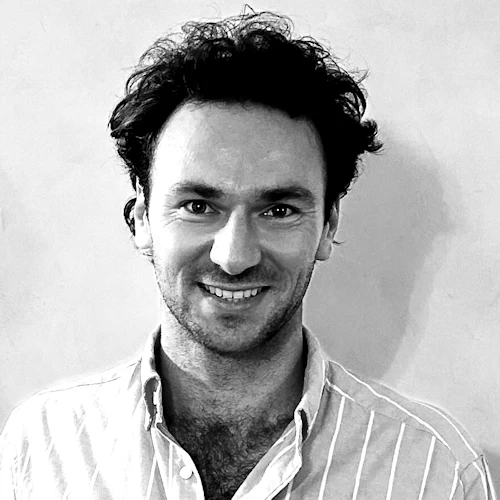
Victor Lehnberg ist ein französischer Künstler und Architekt mit Wohnsitz in München. Seine künstlerische Praxis bewegt sich an der Schnittstelle von bildender Kunst, Architektur und Design und ist geprägt von einer Bildsprache, die Eleganz, Reduktion und Atmosphäre miteinander verbindet. Bereits während seines Architekturstudiums in Straßburg und Karlsruhe (2013–2018) entdeckte er verschiedene künstlerische Techniken und begann, seine unverwechselbare Handschrift zu entwickeln. Sein architektonischer Hintergrund prägt bis heute sein Werk: Proportion, Materialität, Licht und Farbe bilden die Grundlage für Kompositionen, die weniger beschreiben als vielmehr Emotionen und Stimmungen erfahrbar machen.
Aufgewachsen in München und tief mit seinen französischen Wurzeln verbunden, schöpft Lehnberg wesentliche Inspiration aus der französischen Kultur, ihrer Ästhetik und dem Art de vivre. Die Leichtigkeit und Eleganz des französischen Lebensgefühls spiegeln sich in vielen seiner Arbeiten wider und verleihen ihnen eine besondere Atmosphäre zwischen Poesie und zeitloser Raffinesse.
Als Künstler und Architekt versteht Victor Lehnberg das Zeichnen als eine unmittelbare Sprache der Emotion. Seine Werke bewahren bewusst eine Offenheit, die Raum für das Geheimnisvolle lässt und die Betrachtenden dazu einlädt, eigene Assoziationen und persönliche Erzählungen zu entwickeln. Nicht die eindeutige Darstellung steht im Mittelpunkt, sondern die Kraft der Andeutung und die stille Wirkung des Unausgesprochenen.
Sein künstlerisches Schaffen konzentriert sich vor allem auf Kohlezeichnungen und Aquarelle. Mit wenigen präzisen und zugleich spontanen Linien entstehen ausdrucksstarke Figurenstudien, in denen Bewegung, Weiblichkeit und die Eleganz fließender Stoffe im Mittelpunkt stehen. Besonders die Darstellung von Kleidern fasziniert ihn: Ohne den menschlichen Körper vollständig abzubilden, vermitteln die dynamischen Linien den Eindruck von Leichtigkeit, Tanz und lebendiger Bewegung und eröffnen Raum für individuelle Interpretationen.
Einen bewussten Kontrast dazu bilden seine farbintensiven Aquarelle, die von der französischen Côte d’Azur inspiriert sind. Architektur, Cafés, Küstenlandschaften und das mediterrane Licht verschmelzen zu poetischen Bildwelten voller Wärme, Lebensfreude und Gelassenheit. Die Kompositionen fangen die besondere Atmosphäre sonniger Sommertage ein und übersetzen das französische Lebensgefühl in leuchtende Farben und lichtdurchflutete Impressionen.
Zu seinen wichtigsten künstlerischen Vorbildern zählt Henri Matisse, dessen souveräner Umgang mit Farbe und Form sowie die Fähigkeit, komplexe Motive auf ihre wesentliche Ausdruckskraft zu reduzieren, ihn nachhaltig beeinflussen. Ebenso prägt die zeitgenössische Künstlerin Ewa Bathelier sein Schaffen. Ihre von der Mode inspirierte Bildsprache und die Darstellung schwebender Kleider, die auch ohne sichtbaren Körper Präsenz und Bewegung vermitteln, finden sich in Lehnbergs eigener künstlerischer Handschrift wieder.
Neben Zeichnung und Malerei entwickelt Victor Lehnberg skulpturale Objekte aus Holz, die die Grenzen zwischen zeitgenössischer Kunst und Design fließend überschreiten. Inspiriert von architektonischem Denken und der natürlichen Form gewachsener Baumstämme entstehen Werke, die Materialität, Handwerk und skulpturalen Ausdruck miteinander verbinden. Durch behutsame Bearbeitung bewahrt er den ursprünglichen Charakter des Holzes und verleiht jedem Fundstück eine neue künstlerische Identität.
Mit seiner Verbindung aus Architektur, Zeichnung, Malerei und Skulptur schafft Victor Lehnberg zeitgenössische Werke von stiller Eleganz und poetischer Ausdruckskraft. Seine Arbeiten feiern die Schönheit der Reduktion, die Kraft der Atmosphäre und die emotionale Wirkung subtiler Andeutungen und laden dazu ein, den Dialog zwischen Kunstwerk, Raum und Betrachtenden immer wieder neu zu entdecken.
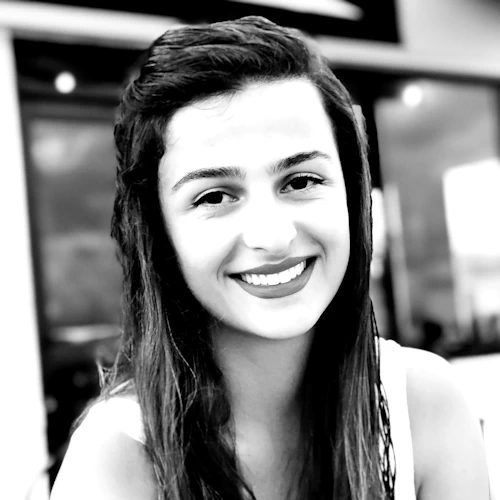
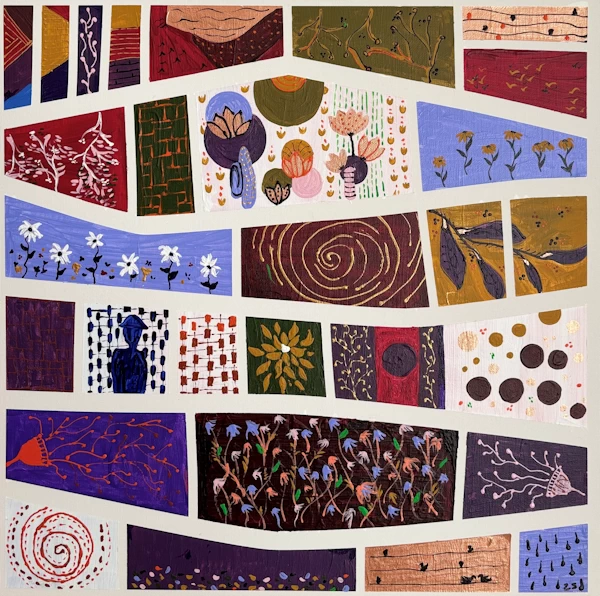
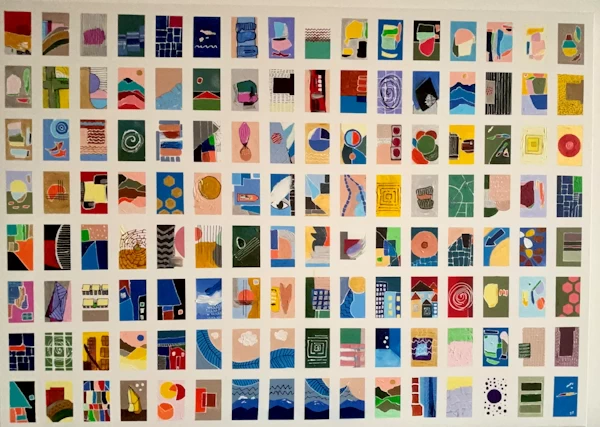
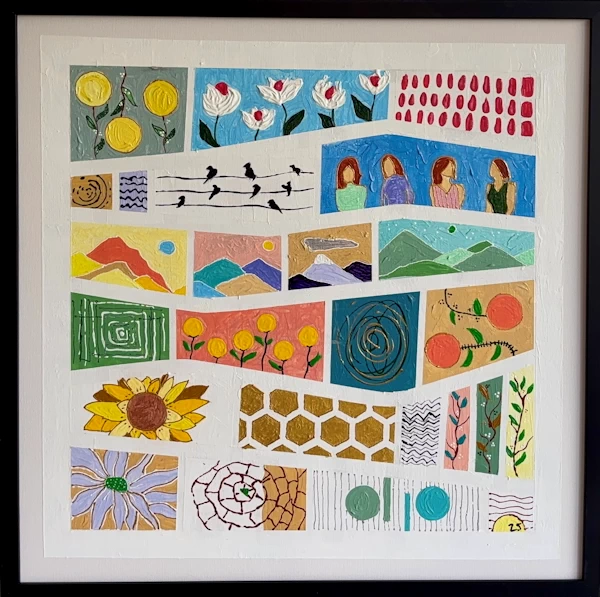
Zana Sahatqija lebt in Brüssel, ist eine zeitgenössische Künstlerin, deren Werk sich mit Erinnerung, dem Alltag und der emotionalen Resonanz gewöhnlicher Erfahrungen auseinandersetzt. Sie arbeitet überwiegend mit Acryl auf Leinwand und entwickelt visuelle Erzählungen in modularen Kompositionen, die persönliche Erinnerungen in poetische und zugleich universelle Reflexionen verwandeln.
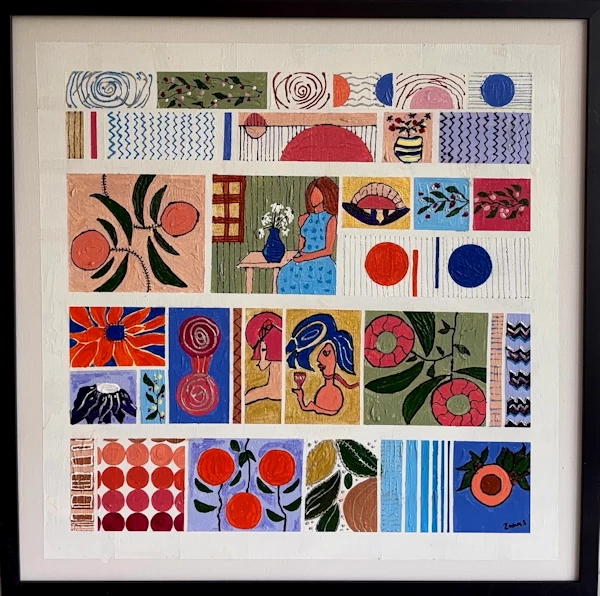
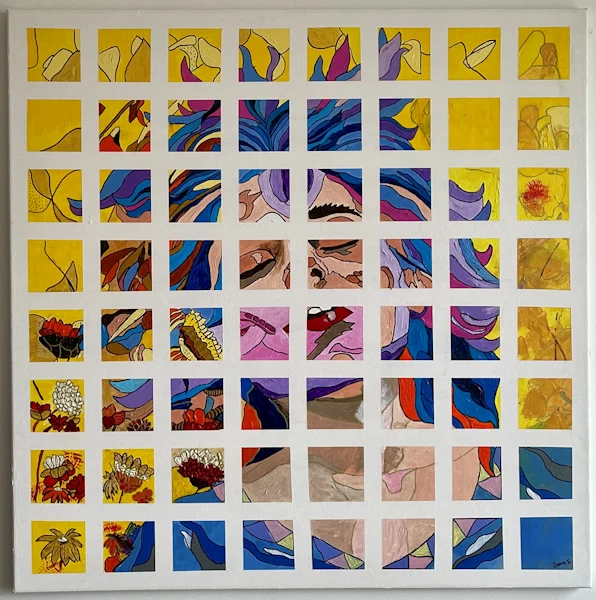
Im Zentrum ihrer künstlerischen Praxis steht eine unverwechselbare, rasterbasierte Bildsprache. Jedes einzelne Bildfeld funktioniert als eigenständiges Kunstwerk und ist zugleich Teil einer größeren Gesamtkomposition. Diese fragmentierten Bildfolgen erinnern an ein Archiv der Erinnerung – Momente, Orte, Muster, Landschaften, Porträts und Alltagsgegenstände, die sich zu einer sich stetig wandelnden Landkarte menschlicher Erfahrungen zusammenfügen.
Anstatt die Wirklichkeit unmittelbar abzubilden, verdichtet Sahatqija sie zu reduzierten Formen, markanten Farbkontrasten und rhythmischen Kompositionen. Ihre Werke bewegen sich fließend zwischen Abstraktion und Gegenständlichkeit und lassen vertraute Motive durch Reduktion, Wiederholung und intuitive Bildfindung hervortreten. Diese Bildsprache lädt die Betrachtenden dazu ein, eigene Erzählungen zu entwickeln und Verbindungen zwischen scheinbar unabhängigen Fragmenten zu entdecken.
Die Wiederholung von Formen spiegelt die Art und Weise wider, wie Erinnerungen im Gedächtnis bewahrt werden – nicht als vollständige Geschichten, sondern als einzelne Bilder, Eindrücke und Emotionen, die unsere persönliche Identität nachhaltig prägen.
Werkserien wie 365, Archive of Patterns, Artificial Emotions, Family Portrait sowie ihre saisonalen Arbeiten Spring, Summer und Autumn untersuchen das Spannungsfeld zwischen Ordnung und Spontaneität. Einzelne Bildmotive werden zu visuellen Bausteinen, die erst im Zusammenspiel größere Zusammenhänge offenbaren und die Betrachtenden zu einer entschleunigten Wahrnehmung und aktiven Auseinandersetzung mit dem Werk einladen.
Mit einer lebendigen Bildsprache, die von Farbe, Rhythmus und Fragmentierung geprägt ist, verwandelt Zana Sahatqija alltägliche Momente in kontemplative visuelle Archive. Ihre Werke erforschen, wie Erinnerungen gesammelt, bewahrt und immer wieder neu interpretiert werden, und laden dazu ein, innezuhalten, aufmerksam zu beobachten und neue Verbindungen im Vertrauten zu entdecken.
Eine Werksauswahl
 English
  German
  Italian
  Portuguese
  Spanish
  Swedish
  French
  Norwegian